Acoma Pueblo Pottery Seed Pot Value Guide
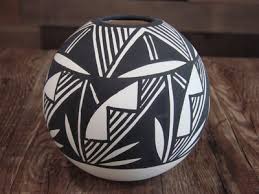
- Period
- 1980-2000
- Origin
- United States
- Materials
- Clay, natural pigments
- Category
- Acoma pueblo pottery
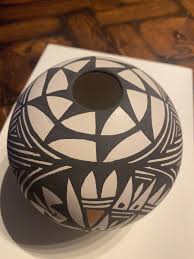
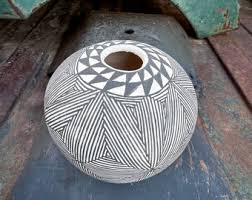
This Acoma Pueblo seed pot is a masterwork of New Mexican ceramic tradition, characterized by its remarkably thin walls and intricate black-and-white geometric motifs. Historically designed with a narrow aperture to protect agricultural stores from pests, these contemporary pieces serve as vital expressions of indigenous artistry and cultural preservation.
What Is Acoma Pueblo Pottery Seed Pot Worth?
The typical price range for Acoma Pueblo Pottery Seed Pot is $75 - $90 based on recent sales. However, values can vary depending on the item's condition, rarity, and other factors such as:
- The complexity and symmetry of the hand-painted fine-line geometric designs significantly impact market price.
- Overall condition is critical, as the thin-walled clay is highly susceptible to hairline fractures or rim chips.
- The reputation and signature of the specific Acoma artist can elevate the value beyond the $75-$90 range.
- The presence of traditional outdoor firing marks, which add authenticity and character to the piece.
How to Identify Acoma Pueblo Pottery Seed Pot?
- Look for the signature 'Acoma, NM' or the artist's name inscribed on the base of the pot.
- Examine the walls for the characteristic 'eggshell' thinness achieved through traditional hand-coiling techniques.
- Verify the use of natural mineral pigments which produce a matte, earthy finish rather than a high-gloss chemical glaze.
- Check for the precision of the fine-line geometric patterns, which are a hallmark of skilled Acoma potters.
History of Acoma Pueblo Pottery Seed Pot
Acoma pottery, originating from the Acoma Pueblo in New Mexico, is renowned for its thin walls, fine-line painting, and traditional designs. Seed pots were historically used by Native American tribes to store and protect seeds, ensuring the survival of their agricultural practices. The small opening was designed to prevent rodents and insects from accessing the precious contents. Acoma potters use natural clays and mineral pigments, often firing their pieces outdoors, contributing to the distinctive quality and cultural significance of each pot.
Shop Similar
Native American Acoma Fine Line Hand Painted Potte…
ebay.com · $39
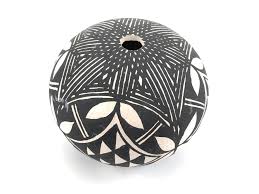
Lot - Frances Concho Acoma Pottery Seed Pot
bradfordsauction.com · $40
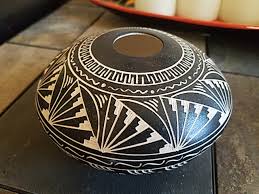
Hand Etched Navajo Seed Pot 5x3.5" (138bc5) - Miss…
missiondelrey.com · $85
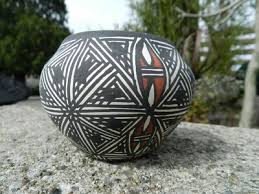
ACOMA PUEBLO,SMALL BOWL,POTTERY, VERY INTRICATE DE…
ebay.com.au
Vintage Native America ACOMA Indian HILDA ANTONIO …
ebay.com.my
Vintage Small Acoma Pottery Seed Pot Approx 3.75" …
etsy.com
Have an antique to identify?
Get an instant AI appraisal with values, history, and market insights.
Download for iPhone