Ancient Flint Knife Value Guide
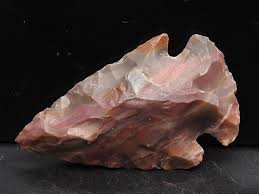
- Period
- 3000-2500 BC
- Origin
- Ancient Egypt
- Materials
- Flint
- Category
- Ancient tools
This Ancient Egyptian flint knife dates back to 3000-2500 BC, representing a pinnacle of lithic technology before the widespread use of metal. These tools are highly collectible due to their sophisticated knapping patterns and their dual role as both essential survival implements and significant ceremonial grave goods.
What Is Ancient Flint Knife Worth?
The typical price range for Ancient Flint Knife is $150 - $250 based on recent sales. However, values can vary depending on the item's condition, rarity, and other factors such as:
- Overall size and preservation of the blade's original sharp edges and tip.
- The complexity and symmetry of the knapping pattern, with thinner blades commanding higher prices.
- Provenance and documentation linking the piece to specific Egyptian archaeological contexts.
- The presence of any original handle remnants or evidence of ceremonial rather than purely utilitarian use.
How to Identify Ancient Flint Knife?
- Look for characteristic conchoidal fracture marks resulting from the percussion and pressure knapping process.
- Examine the blade for a thin, translucent profile which was a hallmark of skilled Egyptian stone workers.
- Check for signs of authentic 'desert varnish' or a specific patina that develops on flint over millennia.
- Verify the presence of bifacial retouching along the cutting edge, indicating deliberate sharpening and use.
History of Ancient Flint Knife
Flint knives have been essential tools for humanity for hundreds of thousands of years, with their origins tracing back to the Stone Age. These early blades were crafted by striking flint nodules with another stone, a process known as 'knapping,' to produce sharp edges. Flint's conchoidal fracture properties allowed for predictable and controlled flaking, making it an ideal material for cutting, scraping, and piercing. Ancient Egyptians, in particular, were renowned for their sophisticated flintknapping techniques, producing exquisitely thin and sharp blades not only for utilitarian purposes but also for ceremonial use and as grave goods. These knives were crucial for hunting, preparing food, processing animal hides, and various other daily tasks, playing a fundamental role in the survival and development of early civilizations.
Shop Similar
Jasper Natural Arrowhead,for Finding Humor and Eff…
etsy.com · $3
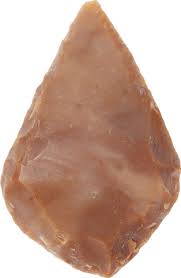
ANCIENT EGYPTIAN ARROWHEAD C.3000 BC
historygiftstore.com · $60
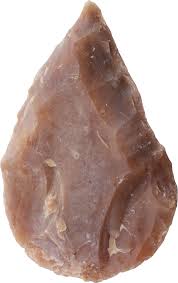
ANCIENT EGYPTIAN FLINT KNIFE, FOURTH MILLENNIA BC …
faganarms.com · $85
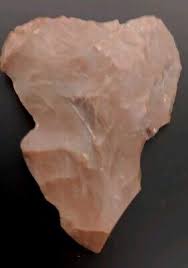
Authentic Arrowhead Native American PreColumbian A…
ebay.com
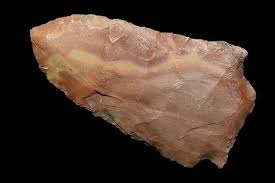
Colorful 2 1/4" Horse Creek Chert Benton Found In …
liveauctioneers.com
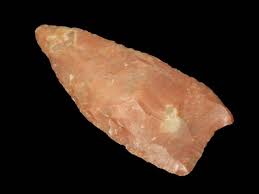
2 & 11/16" Montell With Roy Motley Coa From Bell C…
liveauctioneers.com
Related Items
Have an antique to identify?
Get an instant AI appraisal with values, history, and market insights.
Download for iPhone