Antique Clock Value & Price Guide
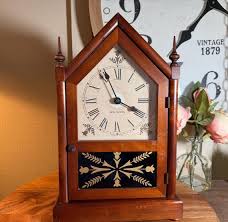
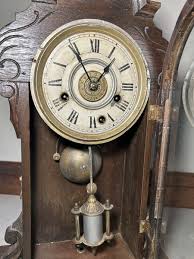
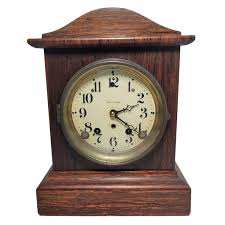
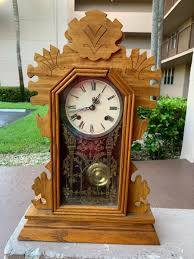
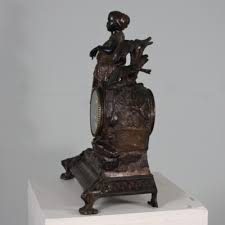
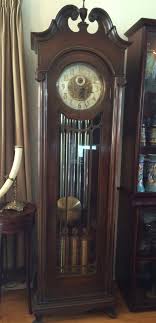
Antique clocks represent a fusion of mechanical precision and artistic craftsmanship, serving as both functional timekeepers and elegant decor. From the towering presence of longcase clocks to the intricate details of French ormolu mantel pieces, these collectibles capture centuries of horological evolution.
Price Range: $250 - $338 based on recent sales
History of Antique Clock
The history of antique clocks is a journey through the industrial and scientific revolutions, beginning with the development of the pendulum in the 17th century. Early American makers like Eli Terry and Seth Thomas revolutionized the industry by introducing mass-production techniques and interchangeable parts, making clocks accessible to the middle class rather than just the wealthy elite. Throughout the 19th century, styles evolved from the austere lines of the Regency period to the ornate 'gingerbread' designs of the Victorian era, reflecting broader shifts in architectural and interior design trends. Each piece serves as a mechanical record of its time, showcasing the transition from hand-forged iron movements to sophisticated brass assemblies.
Value Factors for Antique Clock
The typical price range for Antique Clock is $250 - $338 based on recent sales. However, values can vary depending on the item's condition, rarity, and other factors such as:
- The rarity and reputation of the maker, with names like Winterhalder & Hofmeier or Eli Terry commanding premium prices.
- The complexity of the movement, including features like Westminster chimes, moon phases, or calendar complications.
- The material and condition of the case, such as high-quality mahogany, gold-plated ormolu, or intact reverse-painted glass tablets.
- Provenance and historical significance, particularly for early 19th-century American shelf clocks or English bracket clocks.
Tips for Buying Antique Clock
- Verify the movement's condition by checking if the clock winds smoothly and if the pendulum or escapement operates without excessive friction.
- Inspect the case for original finishes and hardware, as replacements or heavy refinishing can significantly decrease the market value.
- Research the maker's mark or label, often found on the dial or the backplate of the movement, to confirm the manufacturer and production era.
- Ensure all key components like the winding key, weights, and pendulum are present, as sourcing period-accurate replacements can be costly.
Items in This Collection
- Seth Thomas Steeple Clock
- Waterbury Mantle Clock
- Sessions 8 Day Mantel Clock
- Seth Thomas Violin Clock
- French Ormolu Mantel Clock
- Winterhalder & Hofmeier Grandfather Clock
- Eli Terry Shelf Clock
- Seth Thomas Sharon Steeple Clock
- Gilbert Parlor Clock
- E.N. Welch Mantel Clock
- English Regency Bracket Clock
- E. N. Welch Steeple Clock
Have an antique to identify?
Get an instant AI appraisal with values, history, and market insights.
Download for iPhone