Antique Wooden Crucifix Value Guide
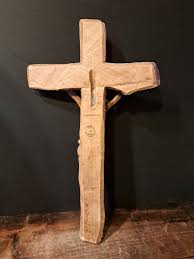
- Period
- Late 19th Century
- Origin
- Unknown
- Materials
- Wood, fabric
- Category
- Religious item
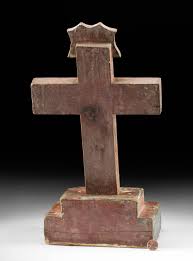
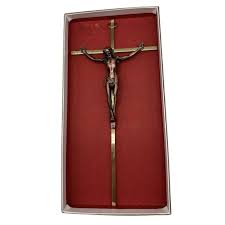
This late 19th-century antique wooden crucifix is a compelling example of rustic devotional art, distinguished by its robust construction and unique red fabric accents. Its simple yet evocative design suggests it served as a private focal point for faith within a domestic home or small chapel during the Victorian era.
What Is Antique Wooden Crucifix Worth?
The typical price range for Antique Wooden Crucifix is $150 - $250 based on recent sales. However, values can vary depending on the item's condition, rarity, and other factors such as:
- The preservation and vibrancy of the red fabric detail significantly impact the overall market value.
- The condition of the wood, including the absence of modern repairs or chemical refinishing, preserves its $150-$250 valuation.
- The presence of original hand-wrought elements or unique regional carving styles can increase collector interest.
- Overall structural integrity and the lack of significant wood rot or insect damage are critical for maintaining value.
How to Identify Antique Wooden Crucifix?
- Examine the wood for authentic late 19th-century patina and signs of hand-carving or period-appropriate joinery.
- Inspect the red fabric detail for natural age-related wear and fibers consistent with 1800s textile production.
- Look for evidence of original mounting hardware or wear patterns on the reverse side indicating long-term wall placement.
- Verify that the stylistic simplicity aligns with rustic regional craftsmanship rather than mass-produced modern imitations.
History of Antique Wooden Crucifix
Crucifixes have been a central symbol in Christianity for centuries, representing the sacrifice of Jesus Christ. Early Christian symbols often avoided direct depictions of the crucifixion due to persecution, but by the 4th century, it became a common artistic motif. Over time, the design evolved, reflecting different artistic periods and regional styles. This piece, with its simple yet robust construction, likely served as a devotional object in a home or chapel, carrying a rich tradition of faith and artistry.
Shop Similar
Vintage Height 16 Inches Ceracast Inri Cross Cruci…
ebay.com
Large Vintage Wooden Crucifix / Cross. Jesus. Chri…
ebay.com
Antique Wood Metal Resin France Inri Cross Crucifi…
ebay.com
Antique French Monastery Work Religious Bronze and…
etsy.com
Sold at Auction: Exhibited 19th C. Mexican Painted…
invaluable.com
Sold at Auction: Antique Tramp Art Crucifix
invaluable.com
Related Items

Have an antique to identify?
Get an instant AI appraisal with values, history, and market insights.
Download for iPhone