Antique Wooden Planter Box Value Guide
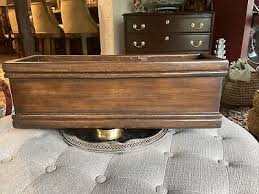
- Period
- 1780-1820
- Origin
- France
- Materials
- Wood
- Category
- Planter box
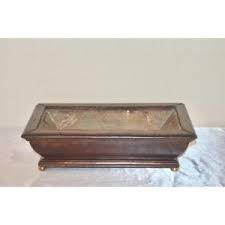
This French antique wooden planter box, dating from 1780 to 1820, represents the rise of horticulture as a sophisticated leisure activity in the late 18th century. Its simple yet elegant molding reflects the transition from purely functional garden tools to refined interior decorative objects crafted by skilled woodworkers.
What Is Antique Wooden Planter Box Worth?
The typical price range for Antique Wooden Planter Box is $450 - $550 based on recent sales. However, values can vary depending on the item's condition, rarity, and other factors such as:
- The preservation of the original wood finish and the integrity of the decorative molding significantly impact the $450-$550 valuation.
- Documented provenance linking the piece to its French origin and the 1780-1820 era increases market desirability.
- The structural stability of the joints, as many wooden planters from this period suffered from rot or moisture damage.
- The rarity of the specific design style and its ability to serve as a functional decorative piece in modern urban settings.
How to Identify Antique Wooden Planter Box?
- Look for hand-planed surfaces and irregular joinery consistent with late 18th-century French craftsmanship.
- Examine the wood for a natural aged patina and historical wear patterns typical of 200-year-old organic material.
- Identify the specific elegant molding profiles that characterize the transition between the Louis XVI and Empire periods.
- Check for signs of original interior lining or historical water exposure consistent with long-term botanical use.
History of Antique Wooden Planter Box
Wooden planter boxes have been used for centuries to cultivate plants indoors or on patios. Early examples were often handcrafted from various types of wood, designed to be both functional and aesthetically pleasing. Their popularity grew with the rise of horticulture as a leisure activity, allowing individuals to bring nature inside their homes, even in urban settings. This specific style, with its simple yet elegant molding, suggests a piece from the late 18th or early 19th century, reflecting the craftsmanship of the era.
Shop Similar
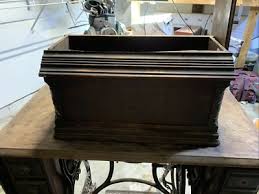
Antique New Home Sewing Machine Wooden Coffin Top …
ebay.ca · $20
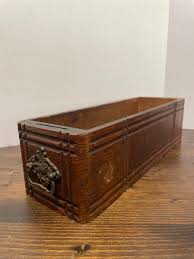
Beautiful Antique Wooden Drawer Box With Ornate Br…
etsy.com · $32
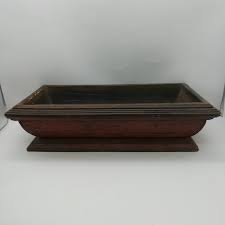
Expensive Wood-look Moss Planter - Etsy
etsy.com · $48
Faux Wood Window Box Planter Fiberglass Mahogany |…
ebay.com · $50
Proantic: Table Planter Late 18th/early 19th Centu…
proantic.com · €550
19th Century Carpenters Chest | Chairish
chairish.com · $790
Have an antique to identify?
Get an instant AI appraisal with values, history, and market insights.
Download for iPhone