Apache Cradleboard Value Guide
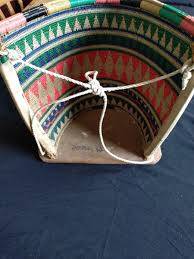
- Period
- 1950-1980
- Origin
- United States
- Materials
- Wood, hide, fur, beads
- Category
- Apache crafts
This mid-20th century Apache cradleboard represents a vital blend of Indigenous utility and artistic tradition, featuring a sturdy woven base and protective fur-lined hood. These 1950-1980 era pieces are highly collectible for their intricate beadwork and the cultural symbolism of protection and love they provided for infants.
What Is Apache Cradleboard Worth?
The typical price range for Apache Cradleboard is $420 - $460 based on recent sales. However, values can vary depending on the item's condition, rarity, and other factors such as:
- The condition and intricacy of the decorative beadwork significantly impact the $420-$460 market valuation.
- The preservation of the fur-lined hood and the integrity of the hide lacing are critical for top-tier pricing.
- Provenance or documentation linking the piece to specific Apache artisans or tribal regions can increase desirability.
- Structural stability of the woven wooden frame and the absence of modern synthetic replacement materials.
How to Identify Apache Cradleboard?
- Look for a traditional woven wooden base construction characteristic of Apache craftsmanship from the 1950-1980 period.
- Verify the presence of authentic natural materials including genuine hide, fur lining, and hand-applied beadwork.
- Examine the hood structure for specific Apache weaving patterns and the integration of protective fur elements.
- Check for signs of age-appropriate wear on the wood and hide that align with mid-century United States origin.
History of Apache Cradleboard
Cradleboards are traditional devices used by various Indigenous cultures, particularly in North America, to carry and protect infants. The Apache people, known for their rich cultural heritage, created cradleboards that often reflected their artistry and connection to nature. These were not just practical tools for mobility and safety, but also significant cultural artifacts, frequently decorated with beadwork, hide, and natural materials, symbolizing love and protection for the child.
Shop Similar
Handwoven Small Women Heart-shaped Straw Vintage B…
etsy.com · $15
Hand Woven Zapotec Wool Coaster Set: Tree of Life …
etsy.com · $64
Hand Made Grass Basket,hot Pot,basket With Lid,tra…
etsy.com · €102
Batwa Colorful Deep Cylinder Raffia Basket — Niger…
thenigerbend.com · $119
Beaded Baby Carrier Dayak Borneo Indonesia Vintage…
ebay.com · £149
Apache Made , Life Sized Wall Hanging, Approx 1980…
etsy.com · $468
Have an antique to identify?
Get an instant AI appraisal with values, history, and market insights.
Download for iPhone