Apache Olla Basket Value Guide
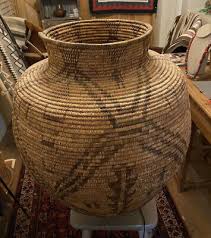
- Period
- 1890-1920
- Origin
- United States
- Materials
- Willow, devil's claw, natural fibers
- Category
- Apache basketry
The Apache Olla Basket is a premier example of Native American artistry from the turn of the 20th century, highly sought after for its impressive scale and intricate geometric patterns. Crafted between 1890 and 1920, these tall vessels represent a peak in Southwestern weaving technology, blending functional water storage utility with profound cultural symbolism.
What Is Apache Olla Basket Worth?
The typical price range for Apache Olla Basket is $4,800 - $4,800 based on recent sales. However, values can vary depending on the item's condition, rarity, and other factors such as:
- Overall size and height, with larger 'storage' scale baskets generally commanding higher market prices.
- The complexity and symmetry of the woven patterns, particularly those featuring rare figurative elements.
- Physical condition, specifically the absence of broken stitches, rim wear, or fading from sun exposure.
- Provenance and historical documentation linking the piece to the 1890-1920 era of production.
How to Identify Apache Olla Basket?
- Look for a three-rod foundation weave typical of Apache construction, providing a rigid and durable structure.
- Identify the use of willow for the light-colored background and dark devil's claw for the contrasting geometric motifs.
- Examine the weave density; authentic period Ollas feature a tight, uniform stitch that was historically capable of holding pine pitch.
- Check for traditional motifs such as stepped diamonds, zig-zags, or human and animal figures integrated into the design.
History of Apache Olla Basket
Olla baskets were traditionally crafted by various Southwestern Native American tribes, including the Apache, Pima, and Papago. These baskets served many practical purposes, primarily for storing water, seeds, and other provisions. The tight weave, often coated with pine pitch, made them watertight. Beyond utility, they were also significant cultural items, reflecting the artistry and spiritual beliefs of the makers through their complex designs and the use of natural materials from their environment.
Shop Similar
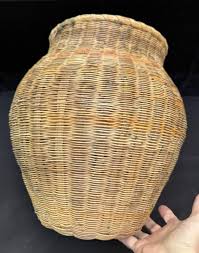
Vintage Basket Woven Wicker Charleston SC - Etsy I…
etsy.com · $38
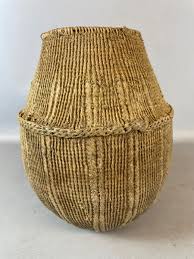
230625 - Rare Borana Gorfa Woven Milk Container - …
ebay.com · $86
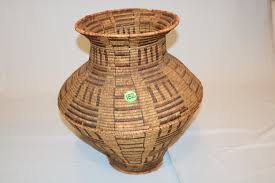
Lot - Massive Papago Oilla
oldbarn.com · $90
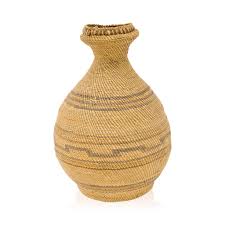
Nuu-chah-nulth Bottle Basket - Etsy
etsy.com · $900
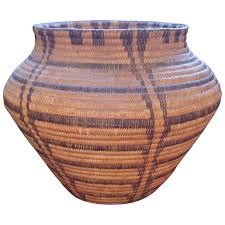
Huge Early Pima Olla Basket. For Sale at Ruby Lane
rubylane.com · $5200
HUGE Apache Basket OLLA willow - devil's claw Ca: …
ebay.com · $45000
Have an antique to identify?
Get an instant AI appraisal with values, history, and market insights.
Download for iPhone