Arched Wood Floor Mirror Value Guide
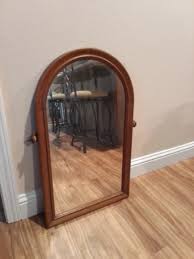
- Period
- 1990-2000
- Origin
- United States
- Materials
- Wood, Mirror glass
- Category
- Wood mirrors
This 1990-2000 era arched wood floor mirror represents a modern revival of classical architectural elegance, designed to enhance spatial depth in residential interiors. As a full-length piece originating from the United States, it combines the utility of a dressing mirror with a timeless aesthetic that references 17th-century luxury glass traditions.
What Is Arched Wood Floor Mirror Worth?
The typical price range for Arched Wood Floor Mirror is $250 - $250 based on recent sales. However, values can vary depending on the item's condition, rarity, and other factors such as:
- The condition of the natural wood frame, specifically the absence of deep scratches, water damage, or warping.
- The silvering quality of the mirror glass, with higher value placed on surfaces free of 'desilvering' or black spots.
- The specific type of wood used in the frame, as hardwoods generally command a higher price than softwoods or veneers.
- Current market demand for arched silhouettes, which are highly sought after for their ability to soften modern interior lines.
How to Identify Arched Wood Floor Mirror?
- Verify the arched top construction for seamless wood joinery typical of late 20th-century American manufacturing.
- Check for a natural wood grain finish on the frame, consistent with the organic design trends of the 1990s.
- Examine the mirror glass for clarity and thickness, as industrial production from this era allowed for large, distortion-free surfaces.
- Look for manufacturing labels or stamps on the back panel indicating its United States origin and production date between 1990 and 2000.
History of Arched Wood Floor Mirror
Floor mirrors gained popularity in the 17th century as glass manufacturing techniques improved, allowing for larger, clearer reflective surfaces. Initially, only the wealthy could afford such luxuries. By the 19th and 20th centuries, as production became more industrialized, floor mirrors became common in homes for dressing and to enhance the sense of space in rooms. Arched designs often reference classical architectural elements, adding a touch of elegance and grandeur.
Shop Similar
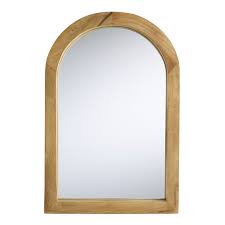
Natural Mango Wood Dome Wall Mirror - World Market
worldmarket.com · $45
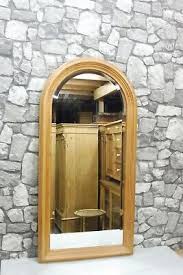
Mid Century Mirror wooden frame pine wood | eBay
ebay.com · $292
Antique Walnut Arc Top Mirror 31 In. High 18 In. W…
ebay.com · $310
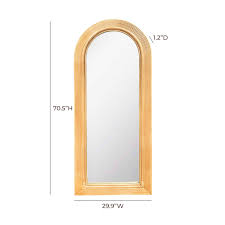
Tanya 70" Rattan Floor Mirror | TOV Furniture
tovfurniture.com · $399
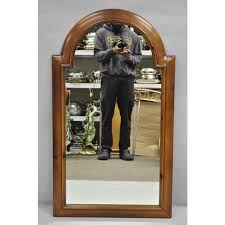
Vintage French Country Style Solid Pine Wood Sculp…
chairish.com · $650
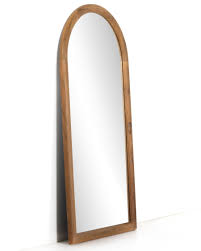
Lila Floor Mirror – The Vintage Rug Shop
thevintagerugshop.com · $900
Have an antique to identify?
Get an instant AI appraisal with values, history, and market insights.
Download for iPhone