Area Rug Value & Price Guide
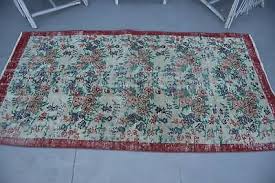
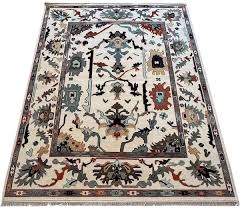
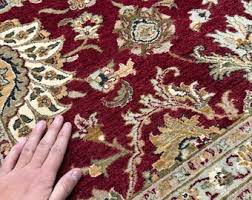
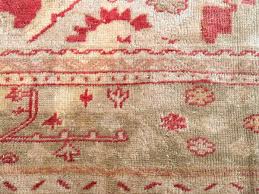
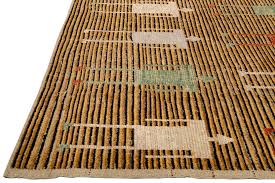
Area rugs are more than just floor coverings; they are intricate works of art that reflect the cultural heritage and craftsmanship of their regions of origin. From hand-knotted Persian masterpieces to vibrant mid-century Turkish weaves, these collectibles offer a unique blend of functional utility and investment potential for interior designers and textile enthusiasts alike.
Price Range: $700 - $900 based on recent sales
History of Area Rug
The history of area rug collecting spans centuries, rooted in the nomadic traditions of Central Asia and the Middle East where rugs served as portable flooring, bedding, and insulation. During the Safavid and Ottoman empires, rug weaving evolved into a sophisticated court art, leading to the creation of iconic patterns like the Tabriz and Oushak that remain highly sought after today. In the early 20th century, the Art Deco movement introduced bold, minimalist Chinese designs to the Western market, further diversifying the styles available to collectors. Modern collecting now encompasses both these ancient hand-knotted traditions and high-quality contemporary pieces from designers like Safavieh, bridging the gap between historical artifact and modern home decor.
Value Factors for Area Rug
The typical price range for Area Rug is $700 - $900 based on recent sales. However, values can vary depending on the item's condition, rarity, and other factors such as:
- Knot density, typically measured in knots per square inch (KPSI), where higher counts generally command higher prices due to the labor involved.
- The age and provenance of the piece, with antique rugs from the early 20th century often fetching a premium over late-century reproductions.
- Material quality, specifically the use of hand-spun wool, silk highlights, or rare natural dyes that retain their vibrancy over decades.
- The overall condition of the pile and edges, as significant moth damage or heavy staining can drastically reduce a rug's market value.
Tips for Buying Area Rug
- Inspect the rug's underside to confirm hand-knotted construction, as visible individual knots indicate higher quality and authenticity compared to machine-made backings.
- Check for 'abrash,' or natural color variations in the wool, which often signifies the use of traditional vegetable dyes rather than synthetic pigments.
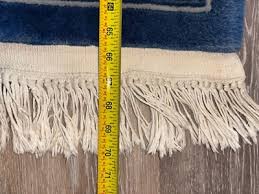
- Evaluate the fringe to ensure it is an extension of the rug's internal warp threads rather than a separate piece sewn onto the ends.
- Look for signs of historical repair or dry rot by gently folding the rug to listen for cracking sounds or checking for uneven pile wear.
Items in This Collection
- Hand-Knotted Wool Rug
- Vintage Turkish Rug
- Persian Tabriz Carpet
- Oriental Area Rug
- Turkish Oushak Rug
- Hand-Knotted Wool Area Rug
- Bidjar Persian Rug
- Art Deco Chinese Rug
- Oushak Rug
- Kilim Runner Rug
- Persian Bakhtiari Rug
- Anatolian Turkish Rug
- Safavieh Lyndhurst Area Rug
- Bokhara Area Rug
- Kilim Flatweave Rug
- Safavieh Vintage Hamadan Collection Area Rug
- Chinese Art Deco Area Rug
- Vintage Oriental Area Rug
- Shiraz Area Rug
- Sultanabad Area Rug
Have an antique to identify?
Get an instant AI appraisal with values, history, and market insights.
Download for iPhone