Astatic JT-30 Microphone Value Guide
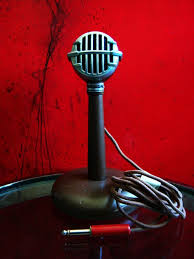
- Period
- 1940-1950
- Origin
- United States
- Materials
- Chrome plated metal, bakelite, ceramic or crystal element
- Category
- Astatic microphone
The Astatic JT-30 is a quintessential piece of American audio history, prized by collectors and harmonica players for its distinctive 'bullet' shape and high-impedance output. Originally designed for amateur radio and public address systems in the 1940s, its unique tonal grit has made it a legendary tool for achieving the classic 'Chicago Blues' sound.
What Is Astatic JT-30 Microphone Worth?
The typical price range for Astatic JT-30 Microphone is $180 - $220 based on recent sales. However, values can vary depending on the item's condition, rarity, and other factors such as:
- The functional condition of the fragile crystal element significantly impacts the $180-$220 price range.
- The preservation of the original chrome plating, specifically the absence of pitting or heavy oxidation, increases collector value.
- Originality of internal wiring and the presence of the factory-issued stand or box can command a premium.
- Market demand from harmonica players seeking specific 'hot' output levels for overdriven tube amplifiers.
How to Identify Astatic JT-30 Microphone?
- Look for the signature chrome-plated metal housing with the iconic streamlined 'bullet' profile characteristic of the 1940-1950 era.
- Verify the presence of the original Astatic Corporation branding and model JT-30 designation on the nameplate.
- Inspect the internal components for an original crystal or ceramic element, often paired with vintage Bakelite accents.
- Check for the specific screw-on connector type used by Astatic during the mid-20th century production run.
History of Astatic JT-30 Microphone
The Astatic Corporation, founded in 1933, became a prominent manufacturer of microphones and other audio equipment. The JT-30 series was particularly popular from the 1940s into the 1950s, becoming iconic for its design and performance. These microphones were widely used by ham radio operators and for public address systems, contributing to the Golden Age of radio.
Shop Similar
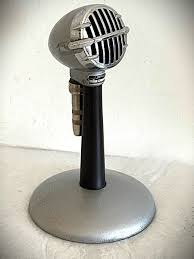
Vintage ASTATIC JT-30 Crystal Microphone, working …
ebay.com · $175
Vintage RARE 1940s Astatic Model 30 crystal / harp…
ebay.com · $215
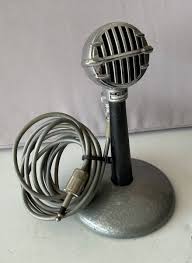
Astatic Vintage Microphone Vintage Pro Audio Equip…
ebay.com.my
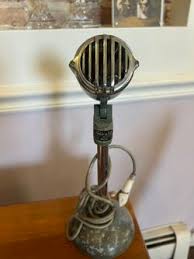
Vintage Herald Table Top microphone for Sale in Ne…
offerup.com
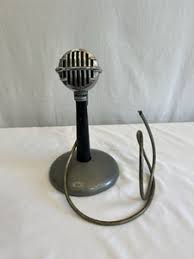
Jt30 for sale | eBay
ebay.ca
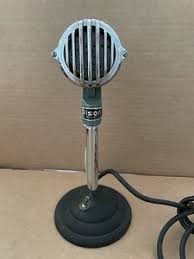
Olson Microphone for sale | eBay
ebay.ca
Related Items
Have an antique to identify?
Get an instant AI appraisal with values, history, and market insights.
Download for iPhone