Attic Red-Figure Kylix Value Guide
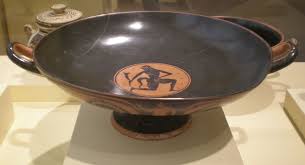
- Period
- 480-450 BCE
- Origin
- Ancient Greece
- Materials
- Terracotta, pigment
- Category
- Attic pottery
The Attic Red-Figure Kylix is a quintessential artifact of the Greek symposium, designed specifically for communal drinking and social display. This particular example from 480-450 BCE showcases the transition to the red-figure technique, allowing for fluid, expressive depictions of mythological or daily life scenes within the central tondo.
What Is Attic Red-Figure Kylix Worth?
The typical price range for Attic Red-Figure Kylix is $1,800 - $2,000 based on recent sales. However, values can vary depending on the item's condition, rarity, and other factors such as:
- The artistic quality and detail of the figure depicted within the central tondo significantly impact the $1,800-$2,000 price range.
- Overall structural integrity, specifically the presence of original handles and lack of extensive modern overpainting or restoration.
- The provenance and documented history of the piece, which ensures its origin from the 480-450 BCE Attic period.
- The preservation of the black slip's luster and the clarity of the terracotta pigment contrast.
How to Identify Attic Red-Figure Kylix?
- Verify the red-figure technique where figures retain the natural orange-red terracotta hue against a lustrous black-glazed background.
- Examine the tondo for a single, centrally composed figure, a hallmark of the early to mid-5th century BCE style.
- Check for the characteristic shallow, wide-bowled shape with two horizontal handles designed for reclining drinkers.
- Look for fine incised lines or relief lines used to define anatomical details and drapery within the clay-colored figures.
History of Attic Red-Figure Kylix
Kylixes were popular in ancient Greece, especially during symposia, which were male drinking parties. They allowed drinkers to recline and pass the cup around easily. The tondo, the circular image in the center, would be revealed as the wine was consumed, often depicting scenes from mythology, daily life, or athletic events. Red-figure pottery, where figures are left in the natural clay color and the background is painted black, emerged around 530 BCE and allowed for greater detail and expressiveness compared to the earlier black-figure style.
Shop Similar
ATHLETICS RUNNER IN KYLIX ANCIENT VASE FROM GREECE…
ebay.com · $29

Homosexual Love Gay Sex Painting Ceramic Kylix Vas…
etsy.com

attributed to Triptolemos Painter, Greek, Drinking…
alamy.com
.jpg)
File:Black-figured "Siana" cup with a running man …
commons.wikimedia.org
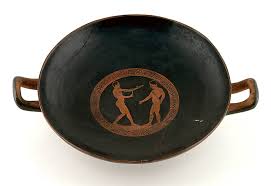
Red-Figure Kylix - Type B (Wine Cup) – Works – Bla…
blanton.emuseum.com

ATTIC/BOEOTIAN EYE CUP KYLIX sold at auction on 13…
bidsquare.com
Related Items

Have an antique to identify?
Get an instant AI appraisal with values, history, and market insights.
Download for iPhone