Balinese Window Mirror Value Guide
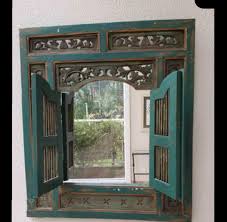
- Period
- 1980-2000
- Origin
- Indonesia
- Materials
- Teak wood, mirror glass, pigment
- Category
- Balinese decor
These decorative mirrors are adapted from traditional Indonesian architectural frames used in temples and homes to provide ventilation and spiritual protection. Crafted between 1980 and 2000, they are highly collectible for their intricate hand-carved teak wood and functional shutters that reflect Balinese Hindu-Buddhist artistry.
What Is Balinese Window Mirror Worth?
The typical price range for Balinese Window Mirror is $200 - $300 based on recent sales. However, values can vary depending on the item's condition, rarity, and other factors such as:
- Condition of the teak wood, specifically looking for cracks, warping, or damage to the delicate carvings.
- The complexity and detail of the hand-carved motifs, with mythical or natural elements commanding higher prices.
- Functionality of the shutters and the clarity of the mirror glass insert.
- Size and scale of the piece, as larger architectural frames are more desirable for interior design.
How to Identify Balinese Window Mirror?
- Look for hand-carved floral or geometric patterns in the teak wood frame, characteristic of Indonesian craftsmanship.
- Verify the presence of operational wooden shutters with functional hinges or sliding mechanisms.
- Check for traces of original pigment or a natural teak finish consistent with late 20th-century production.
- Identify the joinery techniques used in the frame, which should reflect traditional Balinese woodworking rather than modern mass production.
History of Balinese Window Mirror
Balinese mirrors and window frames are renowned for their exquisite craftsmanship and spiritual symbolism. Influenced by Hindu and Buddhist traditions, these pieces often feature detailed hand carvings depicting natural elements, mythical creatures, or geometric patterns. Originally, such window frames adorned traditional Balinese homes and temples, offering ventilation and protection while serving as decorative architectural elements. Over time, the aesthetic appeal of these frames was adapted into decorative mirrors, allowing people to bring a piece of Balinese artistry and culture into their homes as a functional and beautiful decor item.
Shop Similar
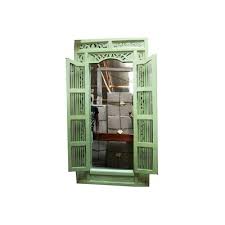
Prime Liquidations Warana - Mirror Bali Prison fro…
primeliquidations.com · $49
Hand Carved Mahogany Window in Blue Green - Etsy
etsy.com · $395

19th Century French Mirror Disguised Behind a Hand…
1stdibs.com · $2368
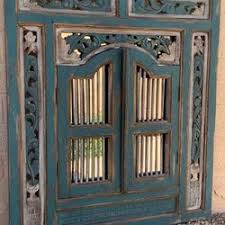
Balinese Window Mirror for Sale in Tempe, AZ - Off…
offerup.com

Ornate Wall Mirror w/2 Slatted Doors – Upscale Con…
upscaleconsignment.com

32x35 mirror $149.00
in.pinterest.com
Have an antique to identify?
Get an instant AI appraisal with values, history, and market insights.
Download for iPhone