Baltic Amber Sterling Silver Pendant Value Guide
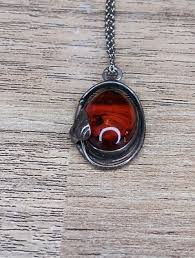
- Period
- 1960-1970
- Origin
- Poland
- Materials
- Sterling Silver, Baltic Amber
- Category
- Amber jewelry
This handcrafted pendant is a prime example of the mid-20th century artisan jewelry movement in Poland, featuring a 40-million-year-old fossilized resin. Its distinctive wire-wrapped sterling silver setting showcases the intricate metal-twisting techniques that defined Northern and Eastern European craftsmanship during the 1960s and 1970s.
What Is Baltic Amber Sterling Silver Pendant Worth?
The typical price range for Baltic Amber Sterling Silver Pendant is $55 - $60 based on recent sales. However, values can vary depending on the item's condition, rarity, and other factors such as:
- The clarity and depth of the cognac color within the Baltic amber cabochon significantly impact the $55-$60 price point.
- The complexity and preservation of the handcrafted sterling silver wire-work and decorative twists.
- The presence of original hallmarks or maker's marks originating from Poland that confirm its mid-century provenance.
- Overall condition of the amber surface, specifically the absence of chips or surface scratches on the fossilized resin.
How to Identify Baltic Amber Sterling Silver Pendant?
- Look for the characteristic cognac-colored oval cabochon with natural internal inclusions typical of Baltic amber.
- Examine the silver for specific Polish hallmarks or '925' stamps indicative of sterling silver purity from the 1960-1970 era.
- Identify the artisan wire-wrapping and twisted silver patterns which are signature styles of mid-century Polish jewelry design.
- Verify the warmth and lightweight feel of the stone, as genuine amber is fossilized resin rather than cold, heavy mineral glass.
History of Baltic Amber Sterling Silver Pendant
Baltic amber is fossilized tree resin from ancient forests that existed over 40 million years ago. Historically, it has been valued for its unique warm aesthetic and supposed healing properties. This specific style of wire-work and silver twisting was particularly popular in Northern and Eastern Europe during the mid-20th century as part of the artisan jewelry movement.
Shop Similar
Vintage Oval Baltic Amber Pin Brooch Sterling Silv…
rubylane.com · $34
Jewelry | Vnt Carnelian Artdeco Silver Necklace | …
poshmark.com · $40
Garnet Teardrop Sterling Silver Pendant - The Foss…
fossilcartel.com · $49
Vintage Native American Navajo Handmade 925 & Ambe…
ebay.com · $180
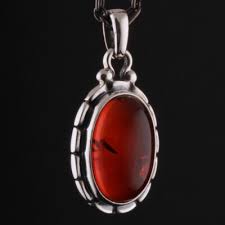
GEORG JENSEN Sterling Pendant Of The Year 2001 wit…
ebay.com · $298
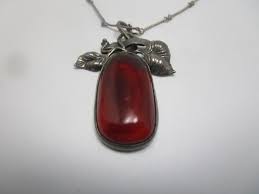
Native American Fancy Sterling Silver & Stone Neck…
etsy.com
Related Items
Have an antique to identify?
Get an instant AI appraisal with values, history, and market insights.
Download for iPhone