Bar Cabinet Value & Price Guide
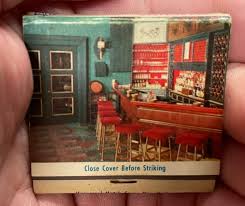
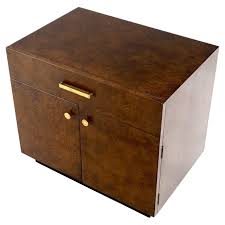
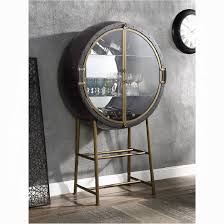
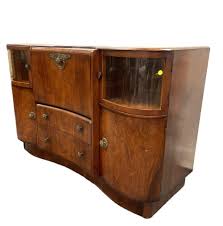
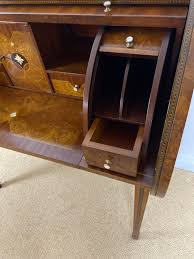
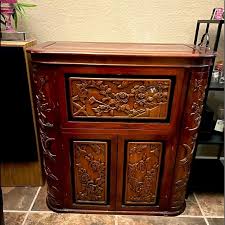
Collectible bar cabinets serve as both functional furniture and sophisticated centerpieces for home entertaining. From the geometric elegance of Art Deco to the sleek lines of Mid-Century Modern, these pieces reflect the social drinking culture of their respective eras.
Price Range: $800 - $918 based on recent sales
History of Bar Cabinet
The evolution of the bar cabinet is deeply tied to the history of social libation and domestic architecture. Early precursors like the 19th-century mahogany cellarette were designed to store and cool wine bottles in formal dining rooms. However, the true golden age of the bar cabinet began during the Prohibition era and the subsequent Art Deco movement, where 'hidden' bars became a necessity for discreet entertaining. Following World War II, the rise of the cocktail hour transformed the bar cabinet into a status symbol of the modern home. Designers in the 1950s and 60s experimented with materials like teak, wrought iron, and laminate to create the iconic Mid-Century Modern dry bars that remain highly sought after by collectors today.
Value Factors for Bar Cabinet
The typical price range for Bar Cabinet is $800 - $918 based on recent sales. However, values can vary depending on the item's condition, rarity, and other factors such as:
- Era and Style: Authentic Art Nouveau and high-end Art Deco pieces typically command the highest premiums due to their intricate craftsmanship.
- Material Quality: Solid hardwoods like mahogany and oak, or rare veneers and Chinoiserie finishes, increase the market price compared to mass-produced laminates.
- Designer Provenance: Pieces attributed to renowned mid-century designers or luxury brands like IKEA's vintage Stockholm line often see better value retention.
- Mechanical Integrity: The presence of working 'porthole' doors, fold-out leaves, or integrated refrigeration units can double the value of a standard cabinet.
Tips for Buying Bar Cabinet
- Inspect the interior for original features like mirrored backings, glass shelving, and built-in lighting which significantly enhance collectible value.
- Check the condition of the wood veneer and hardware, as replacing period-specific hinges or handles can be difficult and costly.
- Verify the functionality of specialized compartments, such as rotating carousels or hidden 'pop-up' mechanisms common in mid-century designs.
- Look for designer labels or manufacturer stamps, such as those from Arthur Umanoff or high-end makers like Arhaus, to ensure authenticity.
Items in This Collection
Have an antique to identify?
Get an instant AI appraisal with values, history, and market insights.
Download for iPhone