Bassett Furniture End Table Value Guide
- Period
- 1960-1980
- Origin
- United States
- Materials
- Solid oak, glass
- Category
- Bassett furniture
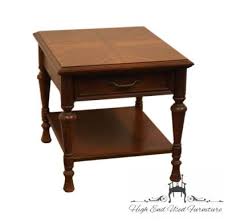
This Bassett Furniture end table is a quintessential example of the Early American rustic style popular between 1960 and 1980. Its collectible appeal lies in the combination of solid oak construction, traditional turned legs, and the functional inclusion of a glass top insert and lower display shelf.
What Is Bassett Furniture End Table Worth?
The typical price range for Bassett Furniture End Table is $450 - $550 based on recent sales. However, values can vary depending on the item's condition, rarity, and other factors such as:
- Condition of the solid oak finish, with original stains and minimal water damage commanding higher prices between $450 and $550.
- The integrity of the glass top insert; original, scratch-free glass is vital for maintaining the piece's market value.
- Structural stability of the turned legs and the lower shelf, as these functional elements are key to the 'Rustic' appeal.
- Market demand for 1960s-1980s Americana and farmhouse-style decor which influences the final sale price.
How to Identify Bassett Furniture End Table?
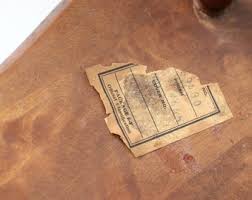
- Look for the Bassett Furniture Industries stamp or brass plate typically located inside the drawer or on the underside of the table.
- Verify the construction materials are solid oak rather than veneers, consistent with the heavy, rustic aesthetic of the era.
- Check for the specific 'Early American' design hallmarks including the turned leg profile and the recessed glass top insert.
- Examine the joinery and finish for the characteristic mid-to-late 20th-century American manufacturing techniques used in Virginia.
History of Bassett Furniture End Table
Bassett Furniture has been a prominent American furniture manufacturer since 1902, known for producing a wide range of styles. This particular 'Early American Rustic' style draws inspiration from traditional colonial and farmhouse aesthetics, characterized by its sturdy oak construction and simple, functional design. These pieces were popular in the mid to late 20th century as a way to evoke a sense of heritage and timelessness in home decor.
Shop Similar
Vintage Eikenhouten Bijzettafel Met Geslepen Glas …
etsy.com · $192
BASSETT FURNITURE Solid Oak Early American Rustic …
kashew.com · $450
BASSETT FURNITURE Solid Oak Early American Rustic …
kashew.com · $450
DREXEL FURNITURE Estorada Collection Contemporary …
ebay.com · $500
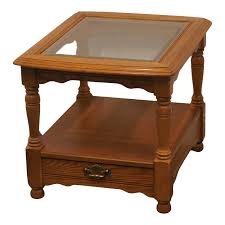
Bassett Furniture Solid Oak Early American Rustic …
chairish.com · $510
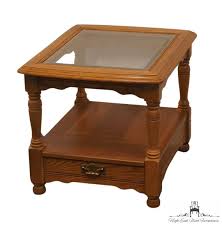
BASSETT FURNITURE Solid Oak Early American Rustic …
etsy.com · $740
Related Items

Have an antique to identify?
Get an instant AI appraisal with values, history, and market insights.
Download for iPhone