Bentwood Pantry Box Value Guide
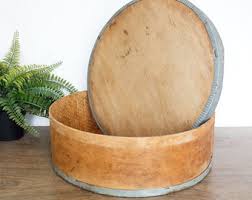
- Period
- 1880-1920
- Origin
- United States
- Materials
- Wood, metal (fasteners)
- Category
- Bentwood box
These late 19th-century American pantry boxes represent the intersection of utility and craftsmanship, once serving as essential storage for dry goods like spices and flour. Their distinctive bentwood construction, achieved by steaming thin wood strips, makes them highly sought after by collectors of primitive Americana.
What Is Bentwood Pantry Box Worth?
The typical price range for Bentwood Pantry Box is $150 - $200 based on recent sales. However, values can vary depending on the item's condition, rarity, and other factors such as:
- The presence of original paint or a 'milk paint' finish significantly increases the market value.
- Structural integrity of the bentwood, specifically the absence of cracks or warping in the circular frame.
- The tightness and condition of the decorative lapped joints and original metal fasteners.
- Overall size and rarity, with nested sets or unusually small spice boxes often commanding higher prices.
How to Identify Bentwood Pantry Box?
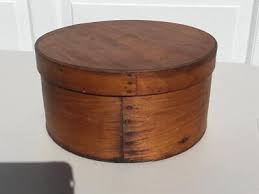
- Look for the characteristic 'finger' or 'lapped' joints where the steamed wood overlaps and is secured.
- Examine the fasteners for period-appropriate small copper or iron tacks rather than modern steel staples.
- Check for a snug-fitting flat lid with a decorative edge consistent with 1880-1920 manufacturing techniques.
- Verify the presence of an authentic aged patina on the wood surface, which should show natural wear from household use.
History of Bentwood Pantry Box
Bentwood boxes, often referred to as pantry boxes, were essential household items in early American homes. These versatile containers were used for storing various dry goods such as flour, sugar, spices, or even small textiles. Their construction method, involving thin strips of wood steamed and bent into shape, allowed for lightweight yet sturdy vessels. Different sizes and shapes were produced for specific purposes, reflecting the ingenuity and practicality of early American craftsmanship.
Shop Similar
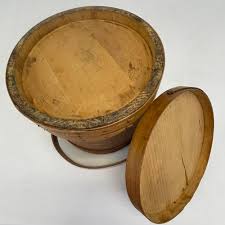
Sold at Auction: Wooden Sugar Firkin Bucket Marked…
invaluable.com · $30
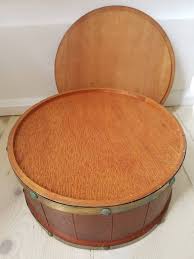
Antique Wooden Storage Box. Wooden Antique Decorat…
etsy.com · $39
Your Choice Vintage Fishing Net, Trout Fly Fishing…
etsy.com · $100
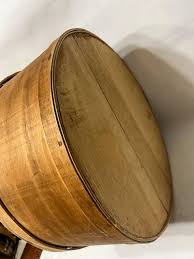
Mid 20th Century Vintage Early American Shaker Sty…
chairish.com · $225
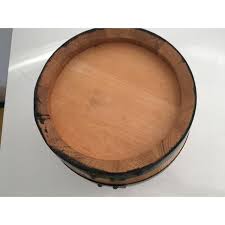
Mini Wooden Barrel, 1970s | Chairish
chairish.com · $307
Round Mango Wood Side Table, Carved Detailing, Mod…
1stdibs.com · $1600
Related Items
Have an antique to identify?
Get an instant AI appraisal with values, history, and market insights.
Download for iPhone