Bukharian Kippah Value Guide
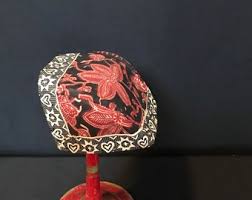
- Period
- 1940-1960
- Origin
- Uzbekistan
- Materials
- Cotton, silk, metallic thread
- Category
- Bu kharian
The Bukharian Kippah is a distinctive piece of Central Asian Judaica, renowned for its unique square-top construction and vibrant Silk Road aesthetics. These mid-century examples from Uzbekistan represent a vital cultural intersection, showcasing the meticulous hand-stitched silk and metallic thread work of the Bukharian Jewish community.
What Is Bukharian Kippah Worth?
The typical price range for Bukharian Kippah is $140 - $155 based on recent sales. However, values can vary depending on the item's condition, rarity, and other factors such as:
- The presence and preservation of genuine metallic threads significantly increase the market value.
- Complexity and density of the floral embroidery, which historically indicated the original wearer's social status.
- Overall physical condition, specifically the lack of fraying in the delicate silk stitching and the structural integrity of the square top.
- Provenance linking the piece to the specific Bukharian Jewish communities of mid-century Uzbekistan.
How to Identify Bukharian Kippah?
- Look for the characteristic flat, square-shaped crown rather than the rounded shape of standard skullcaps.
- Examine the embroidery for dense, hand-stitched floral motifs executed in silk or metallic threads on a dark cotton background.
- Verify the construction materials, which should consist of authentic mid-20th-century cotton and silk rather than modern synthetic blends.
- Check for the specific regional needlework patterns traditional to Uzbekistani textile artisans of the 1940-1960 era.
History of Bukharian Kippah
Originating from the Bukharian Jewish community of Uzbekistan, these hats are known for their distinct square top and vibrant, hand-stitched silk or metallic threads. They served as a cultural bridge between Silk Road textile traditions and Jewish religious identity, often reflecting the wearer's social status through the complexity of the needlework.
Shop Similar
BRXN Glob Face Mask | Urban Streetwear | DETO BRIX…
detobrixen.com · $18
WorldNorse Viking Runes Symbol Beanie
worldnorse.com · $25
Antique Dutch Chintz Baby Bonnet Dolls Hat Collect…
etsy.com · $157
Black, White and Beige Mystic Eye Corset Bauble - …
etsy.com
Skull With Brain, Sculpture by Vasiliy Pimenov | A…
artmajeur.com
tree life viking beanies caps hat fashion bonnet h…
temu.com
Related Items
Have an antique to identify?
Get an instant AI appraisal with values, history, and market insights.
Download for iPhone