Cast Iron Floor Grate Value Guide
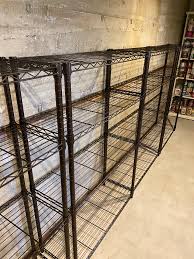
- Period
- 1890-1920
- Origin
- United States
- Materials
- Cast iron
- Category
- Cast iron grate
Originating from the United States between 1890 and 1920, these cast iron floor grates are prized for their blend of industrial durability and period-specific architectural aesthetics. They served as essential components for air circulation and drainage, often featuring intricate geometric or floral patterns that reflected the Victorian and Edwardian design sensibilities of the era.
What Is Cast Iron Floor Grate Worth?
The typical price range for Cast Iron Floor Grate is $75 - $125 based on recent sales. However, values can vary depending on the item's condition, rarity, and other factors such as:
- The complexity and rarity of the decorative pattern significantly impact the $75-$125 price range.
- Physical dimensions play a role, with larger or non-standard sizes often fetching higher prices from architectural salvagers.
- Overall structural integrity, specifically the absence of hairline cracks or missing segments in the iron casting.
- The presence of original hardware or matching frames can increase the desirability and final market value.
How to Identify Cast Iron Floor Grate?
- Look for a heavy, solid cast iron construction consistent with late 19th and early 20th-century manufacturing techniques.
- Examine the underside for potential foundry marks or patent dates ranging from 1890 to 1920.
- Identify period-correct decorative motifs such as scrollwork, honeycombs, or lattice patterns typical of American architectural styles.
- Check for a natural aged patina or remnants of original black japanned finishes rather than modern spray paint.
History of Cast Iron Floor Grate
Cast iron grates like this have been produced for centuries, serving functional and sometimes decorative purposes in homes and public buildings. They were essential for air circulation in older structures and for drainage in various settings. The intricate patterns often reflected the architectural styles popular at the time of their manufacture.
Shop Similar
Trinity 4-tier Indoor Wire Shelving Racks (6) for …
offerup.com

Amazon.com: ZHAZHADI Metal Storage Rack 5 Tier Adj…
us.amazon.com

Reviews for HDX 6-Tier Commercial Grade Heavy Duty…
homedepot.com
TRINITY PRO Black 4-Tier Steel Wire Garage Storage…
homedepot.com

Amazon.com: FUTASSI P6 Mini Rolling Clothes Rack H…
amazon.com
Storage & Organization for sale in Woodside, Louis…
facebook.com
Related Items
Have an antique to identify?
Get an instant AI appraisal with values, history, and market insights.
Download for iPhone