Cast Iron Sheep Doorstop Value Guide
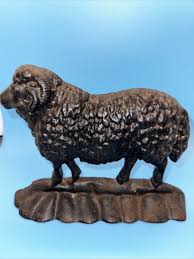
- Period
- 1880-1940
- Origin
- United States or United Kingdom
- Materials
- Cast iron
- Category
- Cast iron doorstop
Cast iron sheep doorstops are highly sought-after collectibles from the 1880-1940 era, prized for their blend of Victorian utility and whimsical folk art. These heavy, decorative rams were primarily produced in the United States and United Kingdom, serving as durable household staples that reflected the period's love for pastoral animal motifs.
What Is Cast Iron Sheep Doorstop Worth?
The typical price range for Cast Iron Sheep Doorstop is $150 - $250 based on recent sales. However, values can vary depending on the item's condition, rarity, and other factors such as:
- Condition of the original paint; pieces with intact, multi-colored finishes command the highest prices within the $150-$250 range.
- Complexity of the casting, such as detailed wool textures or curved ram horns, which increases desirability among collectors.
- Rarity of the specific sheep pose or breed depicted, with unique pastoral stances being more valuable than common flat-back designs.
- The presence of a verifiable foundry mark from notable makers in the US or UK, which can push the value toward the top of the market estimate.
How to Identify Cast Iron Sheep Doorstop?
- Look for a distinct vertical seam running through the center, indicating a two-piece sand-casting process typical of the late 19th and early 20th centuries.
- Check for a naturally aged patina or original 'cold-painted' finishes that show honest wear rather than modern spray-painted surfaces.
- Examine the underside for a hollow core and a heavy, weighted base designed to hold significant door pressure.
- Search for manufacturer marks or mold numbers often found on the interior or back, though many authentic pieces remain unmarked.
History of Cast Iron Sheep Doorstop
Cast iron doorstops were popular from the late 19th century through the mid-20th century, particularly in America and England. They were often crafted in whimsical shapes, depicting animals, people, or floral motifs. These functional yet decorative items became a staple in many homes, reflecting the era's appreciation for both utility and ornamental design.
Shop Similar
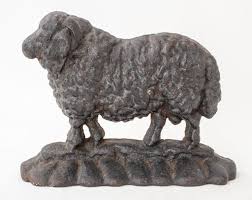
Sold at Auction: American Cast Iron Sheep Form Doo…
invaluable.com · $50
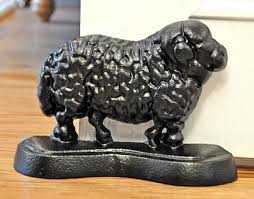
Black Cast Iron Sheep Book Ends Pair / Shelf Ornam…
etsy.com · $59
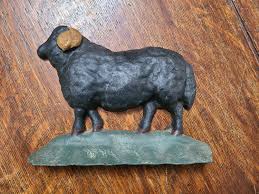
Cast Iron Doorstop RAM Wild Sheep Decor, Facing Le…
etsy.com · $59
VINTAGE CAST IRON RAM OR SHEEP DOORSTOP | eBay
ebay.com · $91
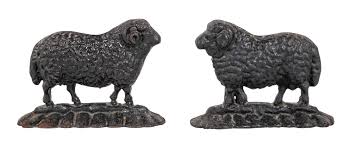
Near Pair of 19th Century English Cast Iron Sheep …
averydash.com · $850
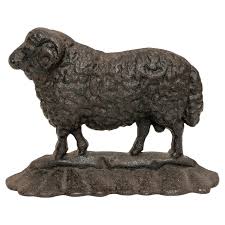
Doorstop Ram Victorian For Sale at 1stDibs | ram d…
1stdibs.com · $1342
Related Items
Have an antique to identify?
Get an instant AI appraisal with values, history, and market insights.
Download for iPhone