Celtic Folk Harp Value Guide
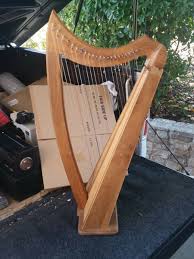
- Period
- 1980-2000
- Origin
- Ireland
- Materials
- Wood, metal, nylon strings
- Category
- Celtic harp
This Celtic folk harp, originating from Ireland between 1980 and 2000, represents a modern era of the ancient Irish bardic tradition. These instruments are highly collectible for their portable lever-action design and their iconic status as a primary symbol of Irish national identity.
What Is Celtic Folk Harp Worth?
The typical price range for Celtic Folk Harp is $1,000 - $1,200 based on recent sales. However, values can vary depending on the item's condition, rarity, and other factors such as:
- Structural integrity of the soundboard, specifically looking for any warping or pulling from string tension.
- The condition and functionality of the individual pitch-changing levers.
- The quality of the wood finish and the presence of any decorative Celtic carvings or motifs.
- Completeness of the string set and the overall resonance and tonal warmth of the instrument.
How to Identify Celtic Folk Harp?
- Verify the presence of manual sharpening levers at the top of the strings rather than a pedal mechanism.
- Look for a solid wood construction with a warm finish characteristic of late 20th-century Irish craftsmanship.
- Check for the specific string configuration consisting of a full set of nylon and metal-wound strings.
- Inspect the soundbox and pillar for maker's marks or labels indicating Irish origin from the 1980-2000 period.
History of Celtic Folk Harp
The Celtic harp, also known as the Irish harp, has a rich history dating back to ancient times in Ireland, Scotland, and Wales. It is a symbol of Irish identity and culture, appearing on coins, coats of arms, and even the Guinness label. Unlike pedal harps, Celtic harps typically use levers to change the pitch of individual strings, allowing for a more intimate and portable musical experience. They were often played by bards and storytellers, accompanying tales and songs in noble courts and village gatherings.
Shop Similar
Handmade Harp Portable Beautiful Harp 22 string ha…
ebay.com · $475
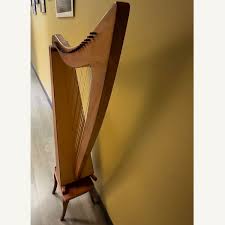
Used Dusty Strings FH 26 — Vermont Violins
vermontviolins.com · $1950
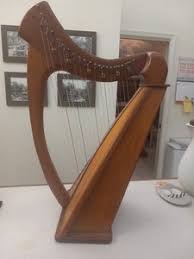
Folk Harp | eBay
ebay.com
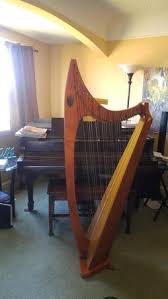
Lyon and Healy Troubadour 1 Lever Harp for Sale in…
offerup.com
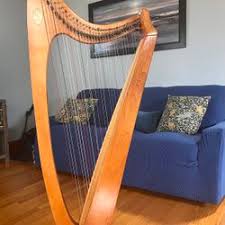
Arpa for Sale in Chicago, IL - OfferUp
offerup.com
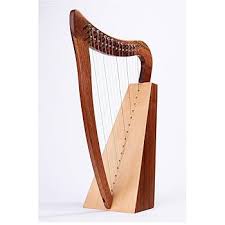
Amazon.com: Harp Instruments 15-string Niche Instr…
amazon.com
Have an antique to identify?
Get an instant AI appraisal with values, history, and market insights.
Download for iPhone