Chinese Export Silver Box Value Guide
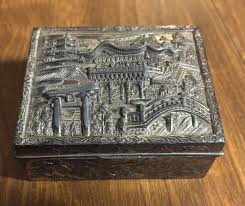
- Period
- 1880-1920
- Origin
- China
- Materials
- Silver, possibly wood lining
- Category
- Chinese export silver
Produced between 1880 and 1920, these boxes represent a peak in cross-cultural artistry where Canton and Shanghai silversmiths adapted traditional motifs for Western markets. They are highly collectible for their intricate repoussé work featuring auspicious symbols like dragons, phoenixes, and detailed landscapes.
What Is Chinese Export Silver Box Worth?
The typical price range for Chinese Export Silver Box is $950 - $1,050 based on recent sales. However, values can vary depending on the item's condition, rarity, and other factors such as:
- The complexity and crispness of the repoussé motifs, with high-relief dragons or scenic landscapes commanding higher prices.
- The presence of identifiable maker's marks from renowned workshops which can push values toward the upper $1,050 range.
- Overall physical condition, specifically the absence of over-polishing which can wear down the fine details of the silver artistry.
- The total weight of the silver and the integrity of the internal wood lining if applicable.
How to Identify Chinese Export Silver Box?
- Look for specific character marks or 'hallmarks' often found on the base, indicating the artisan or retail silversmith from port cities like Canton.
- Examine the repoussé depth; authentic pieces from this era show high-relief, hand-hammered details rather than shallow machine stamping.
- Check for a wood lining, which was a common structural feature in larger decorative boxes intended for cigars or jewelry during this period.
- Verify the silver purity, as these export pieces typically meet or exceed the sterling standard despite lacking traditional British hallmarks.
History of Chinese Export Silver Box
During the 18th to 20th centuries, Chinese Export Silver flourished as a unique blend of traditional Chinese artistry and Western design influences. Craftsmen, often working in port cities like Canton and Shanghai, adapted their exquisite silversmithing skills to create pieces that catered to the tastes of foreign merchants and travelers. These items, ranging from intricate boxes to larger decorative wares, were highly sought after for their distinctive aesthetic, which frequently incorporated auspicious Chinese motifs like dragons, phoenixes, and scenic landscapes. This era represents a fascinating cross-cultural exchange, where local artistry gained international recognition and appreciation.
Shop Similar
Vintage JAPAN Metal Jewelry TRINKET BOX w/ Cedar W…
ebay.com · $25
Antique HARIBO Rembrandt Box Bin Jar Canister Cont…
etsy.com · $47
Lot - Four Chinese Silver Boxes
nyeandcompany.com · $550
Lot - PERSIAN SILVER REPOUSSE TABLE BOX
abell.com · $1100
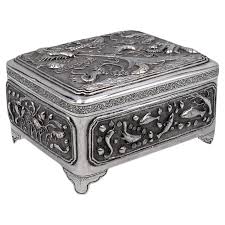
Chinese Export Silver Box For Sale at 1stDibs
1stdibs.com · $3821
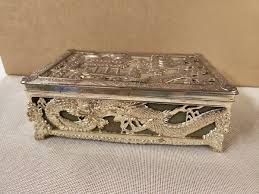
Vintage Melbourne Hoadleys Pagoda Chocolate Box ex…
ebay.com
Related Items

Have an antique to identify?
Get an instant AI appraisal with values, history, and market insights.
Download for iPhone