Chinese Scholar Stone Value Guide
- Period
- 1800-1950
- Origin
- China
- Materials
- Natural stone
- Category
- Scholar stone
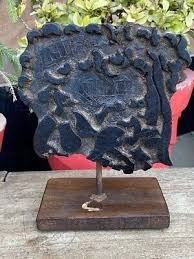
Chinese Scholar Stones, or 'gongshi', are natural stone formations revered by the literati for over a millennium as tools for meditation and artistic inspiration. These 19th to mid-20th century examples are prized for their ability to evoke miniature landscapes and represent the raw power of nature within a studio setting.
What Is Chinese Scholar Stone Worth?
The typical price range for Chinese Scholar Stone is $1,000 - $1,200 based on recent sales. However, values can vary depending on the item's condition, rarity, and other factors such as:
- The complexity of the natural shape, with highly contorted or perforated forms commanding higher prices within the $1,000-$1,200 range.
- The presence and condition of the original period-correct wooden pedestal, which significantly enhances the object's provenance and display value.
- The specific origin of the stone material, with historical 'tribute stones' like those from Lake Tai being particularly sought after.
- The overall size and visual balance, as stones that successfully evoke a sense of a larger mountain landscape are more desirable to collectors.
How to Identify Chinese Scholar Stone?
- Look for the characteristic 'four qualities': thinness (shou), openness (tou), perforations (lou), and wrinkling (zhou).
- Examine the base for a custom-carved wooden stand, typically made of Zitan or Rosewood, specifically fitted to the stone's unique contours.
- Check for natural weathering patterns and a smooth patina that indicates long-term handling and appreciation by previous collectors.
- Verify the stone type, as authentic examples often feature Lingbi, Taihu, or Ying stone varieties known for their density and resonance.
History of Chinese Scholar Stone
Scholar's rocks, or 'gongshi', have been admired in China for over a thousand years, prized for their ability to inspire contemplation and evoke natural landscapes. They were collected by scholars and literati, who appreciated their unique forms and textures as symbols of nature's power and beauty. These stones were an integral part of classical Chinese gardens and studios, serving as focal points for meditation and artistic inspiration.
Shop Similar
Antikythera Mechanism Reproduction Ancient Greek .…
etsy.com · $53
Vintage Wooden Hand Carved Printing Block Stamp Wi…
ebay.com · $115
Suiseki Bonseki Bonsai Japanese Garden Zen Kishu F…
ebay.com · $963
Specialty Kishu Furuya Stone Family Birds Tanimoto…
ebay.com · $1184
Vintage Art Painted on Slate Shannon Higgins Rare …
ebay.com
EXCEPTIONAL Bronze Steelhead Salmon Signed Mark Mo…
ebay.com
Related Items
Have an antique to identify?
Get an instant AI appraisal with values, history, and market insights.
Download for iPhone