Cittarium Pica Value Guide
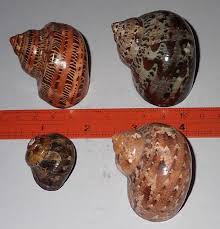
- Period
- 2020-2024
- Origin
- Bahamas
- Materials
- Calcium Carbonate
- Category
- Printing press
The Cittarium Pica, commonly known as the West Indian Top Snail, is a prized collectible from the Bahamas known for its striking monochromatic aesthetic. These large marine gastropods are historically significant as a primary food source for indigenous Caribbean populations and remain a staple of the shell trade due to their bold zigzag patterns.
What Is Cittarium Pica Worth?
The typical price range for Cittarium Pica is $15 - $25 based on recent sales. However, values can vary depending on the item's condition, rarity, and other factors such as:
- Specimen size and the clarity of the black and white zigzag markings significantly impact the $15-$25 price range.
- The presence of natural mineral deposits or a chalky exterior can lower value compared to polished or well-preserved shells.
- Structural integrity, specifically the absence of chips in the delicate calcium carbonate spiral, preserves collector value.
- Origin documentation from the Bahamas or specific Caribbean regions can enhance the provenance for serious malacologists.
How to Identify Cittarium Pica?
- Look for the distinctive high-contrast black and white zigzag or 'magpie' color pattern across the shell's exterior.
- Verify the material is natural calcium carbonate, which may show a weathered or chalky texture on older, sun-exposed specimens.
- Check for a large, conical 'top' shape characteristic of the West Indian Top Snail species.
- Examine the interior aperture for a smooth, pearlescent finish typical of authentic Cittarium Pica shells.
History of Cittarium Pica
Commonly found in the Caribbean, this species was once a primary food source for indigenous populations. It is a large, edible sea snail and has been popular in the shell trade for centuries due to its striking black and white zigzag pattern. Natural specimens found in nature often develop a weathered, chalky exterior over time due to mineral deposits and sun exposure.
Shop Similar
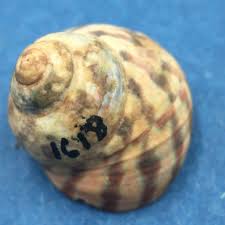
2 Oxystele tabularis 15.3mm W/O Natal, South Afric…
ebay.com · $4
Collection 4 Asst Turbo Seashell 4 differance type…
ebay.com · $25
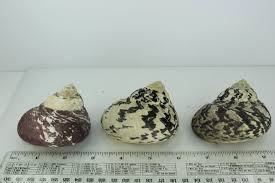
Seashells - Three (3) Florida Turbo Magpie Natural…
oldekitchen.com · $29
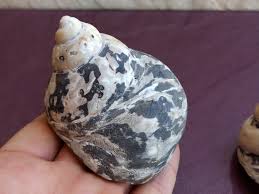
Rare Mother of Pearl Shell: Natural Sea Treasure, …
etsy.com · $43
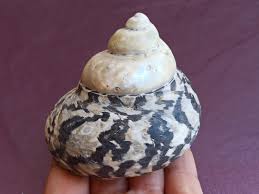
Rare Mother of Pearl Shell: Natural Sea Treasure, …
etsy.com · $50
Cream & Beige Volute Seashell | Chairish
chairish.com · $95
Have an antique to identify?
Get an instant AI appraisal with values, history, and market insights.
Download for iPhone