Clocks Value & Price Guide
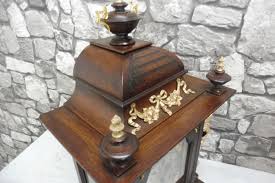
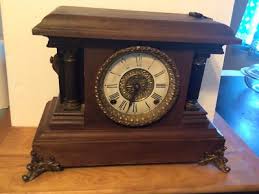
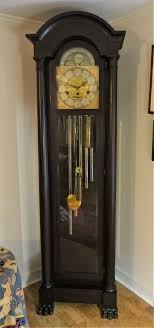
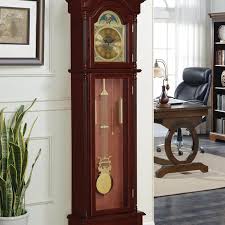
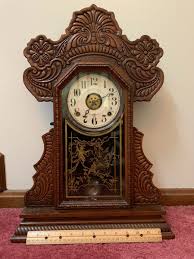
The world of collectible clocks spans centuries of mechanical innovation and artistic design, ranging from majestic grandfather clocks to compact vintage travel alarms. Whether you are drawn to the intricate chimes of a 19th-century mantel clock or the novelty of a musical Seiko, these timepieces serve as both functional tools and stunning decorative investments.
Price Range: $163 - $275 based on recent sales
History of Clocks
The evolution of clocks reflects the progression of human engineering, moving from the weight-driven tower clocks of the Middle Ages to the refined pendulum systems popularized in the 17th century. During the 19th century, American manufacturers like Seth Thomas and Wm. L. Gilbert revolutionized the industry by mass-producing affordable mantel and gingerbread clocks, making precise timekeeping accessible to the average household. In the 20th century, the market expanded further with the introduction of specialized travel alarms and mid-century modern designs, blending traditional horology with contemporary aesthetics. Today, collectors value these pieces for their historical significance and the complex craftsmanship required to keep time without modern electronics.
Value Factors for Clocks
The typical price range for Clocks is $163 - $275 based on recent sales. However, values can vary depending on the item's condition, rarity, and other factors such as:
- Mechanical condition and the presence of original internal components versus modern quartz replacements.
- Rarity and prestige of the manufacturer, such as Herschede or high-end German makers like Hermle.
- The complexity of the complications, including moon phases, triple chimes, or musical melodies.
- Provenance and historical era, with 19th-century antiques generally commanding higher premiums than late 20th-century reproductions.
Tips for Buying Clocks
- Verify the movement type, checking if the clock is weight-driven, spring-driven, or battery-operated to ensure you can maintain it.
- Inspect the wooden casing for original finishes and check for any replaced decorative elements like finials or glass panels.
- Listen to the chime or strike sequence to ensure the mechanical synchronization is accurate and the sound is clear.
- Research the maker's mark or signature, often found on the dial or the backplate of the movement, to confirm authenticity.
Items in This Collection
- Bracket Clock
- Seth Thomas Mantel Clock
- Herschede Grandfather Clock
- Tempus Fugit Mantel Clock
- Daniel Dakota Grandfather Clock
- E. Ingraham Gingerbread Clock
- Folding Travel Alarm Clock
- Hermle Wall Clock
- Ridgeway Oak Grandfather Clock
- Traditional German Cuckoo Clock
- Linden Travel Alarm Clock
- Ridgeway Curio Grandfather Clock
- Hamilton Grandfather Clock
- Seiko Melodies in Motion Musical Clock
- Haller Anniversary Clock
- Emperor Clock Company Grandfather Clock
- Sessions Wall Clock
- Arts and Crafts Grandfather Clock
- Oak Mantel Clock
- Aaron Willard Grandfather Clock
Have an antique to identify?
Get an instant AI appraisal with values, history, and market insights.
Download for iPhone