Collectible Currency Value & Price Guide
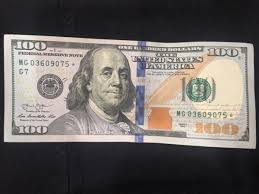
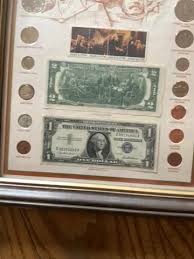
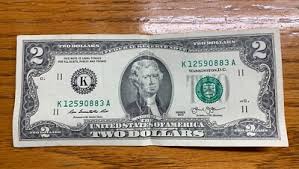
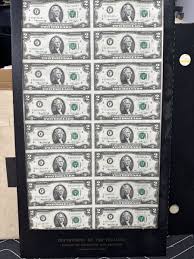
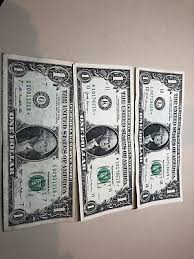
Collectible currency encompasses a vast array of paper notes, coins, and certificates that hold value beyond their face denominations. From historical silver certificates to modern star notes and military payment certificates, this hobby connects collectors to the economic history of nations.
Price Range: $22 - $28 based on recent sales
History of Collectible Currency
The history of collectible currency is as old as organized trade itself, evolving from primitive bartering to sophisticated paper systems backed by precious metals. In the United States, the late 19th and early 20th centuries represented a 'Golden Age' of currency design, featuring intricate engravings on Large Size notes like the 1914 Federal Reserve Note and various Silver Certificates. These pieces were not just legal tender but works of art reflecting the nation's growing industrial power. Over time, the transition to Small Size notes in 1928 and the removal of the gold standard changed the nature of paper money. Collectors today focus on these transitions, as well as specialized issues like Military Payment Certificates (MPC) used in overseas theaters from 1946 to 1973. This evolution from commodity-backed money to fiat currency provides a rich timeline for numismatists to explore through various series, signatures, and printing errors.
Value Factors for Collectible Currency
The typical price range for Collectible Currency is $22 - $28 based on recent sales. However, values can vary depending on the item's condition, rarity, and other factors such as:
- The physical condition or 'grade' of the note, ranging from Good to Gem Uncirculated.
- Rarity of the series and the specific district or bank of issuance.
- The presence of errors, such as misaligned overprints or uncut sheets.
- Market demand for specific historical periods, such as the Civil War era or the transition to the 1963 series.
Tips for Buying Collectible Currency
- Examine the paper quality and crispness, as original luster and lack of folds significantly increase a note's market value.
- Look for unique serial numbers, such as low numbers, radars, or star notes which indicate a replacement bill.
- Verify the authenticity of high-value items like the 1899 Black Eagle Silver Certificate through reputable third-party grading services.
- Consider the historical context of the issue, such as Military Payment Certificates used by troops during specific 20th-century conflicts.
Items in This Collection
- One Hundred Dollar Bill Star Note
- 1899 Black Eagle Silver Certificate
- 1995 Series 2 Dollar Bill
- 10 Pfennig Coin
- Uncut One Dollar Bill Sheet
- One Dollar Star Note
- 1963 Series Five Dollar Bill
- Florida Half Goldback
- Series 681 Military Payment Certificate
- Bank of England One Pound Note
- Military Payment Certificate Series 541
- Military Payment Certificate Series 681 10 Cents
- 1914 $10 Federal Reserve Note
- Two Dollar Bill
- Military Payment Certificate
Have an antique to identify?
Get an instant AI appraisal with values, history, and market insights.
Download for iPhone