Conestoga Wagon Bells Value Guide
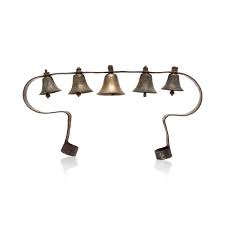
- Period
- 1800-1870
- Origin
- United States
- Materials
- Brass
- Category
- Wagon bells
Conestoga Wagon Bells are iconic symbols of 19th-century American westward expansion, serving as both a safety warning on narrow mountain passes and a proud status symbol for teamsters. These brass bell sets, mounted on ornate racks, represent the 'good luck' of a successful journey, as drivers who required assistance on the trail were famously forced to surrender their bells to those who helped them.
What Is Conestoga Wagon Bells Worth?
The typical price range for Conestoga Wagon Bells is $300 - $400 based on recent sales. However, values can vary depending on the item's condition, rarity, and other factors such as:
- The number of bells remaining on the rack significantly impacts the price, with complete sets of four or five commanding the highest value.
- The presence of original mounting brackets and the overall condition of the brass, including the absence of cracks or heavy corrosion.
- Historical provenance or documented use on specific freight routes during the mid-1800s can increase collector interest.
- The tonal quality and resonance of the bells, as clear and distinct sounds are preferred by antique enthusiasts.
How to Identify Conestoga Wagon Bells?
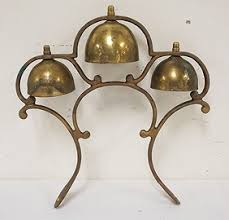
- Look for a heavy brass construction with an ornate, arched metal rack designed to mount directly onto the horse's hames.
- Examine the bells for varying sizes on a single rack, typically featuring three to five bells that produce a harmonic chord.
- Check for authentic 19th-century wear patterns and hand-finished casting marks consistent with 1800-1870 manufacturing.
- Verify the presence of original iron or brass mounting hardware used to secure the assembly to the heavy freight harness.
History of Conestoga Wagon Bells
These bells were commonly used on Conestoga wagons, which were heavy, covered wagons used extensively during the late 18th and 19th centuries for freight hauling and westward expansion in the United States. The bells served multiple purposes: to warn other travelers of the wagon's approach, especially on narrow roads or blind turns, and as a status symbol for wealthy teamsters. When a wagon became stuck, the driver would often 'lose' their bells, indicating they needed assistance. Conversely, a wagon arriving with its bells intact signified a successful journey.
Shop Similar
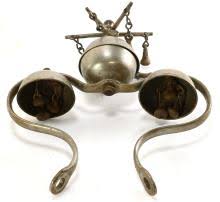
Sold at Auction: Pair Victorian Horse Harness Slei…
invaluable.com · $50
Pair of Blacksmith Parade Bells | eBay
ebay.com · $250
Brass Antique Brass Chandeliers for sale | eBay
ebay.com
Mid-century Bell Wheel Made of Wrought Iron - Cast…
etsy.com
Neoclassical Chandelier - Etsy
etsy.com
Antique Horse Collar Bells
liveauctioneers.com
Related Items

Have an antique to identify?
Get an instant AI appraisal with values, history, and market insights.
Download for iPhone