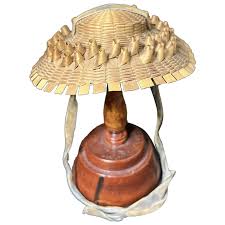
Conical Asian Hat Value Guide
- Period
- 1900-1950
- Origin
- Asia
- Materials
- Bamboo, straw, palm leaves
- Category
- Asian hat
This vintage Conical Asian Hat, dating from 1900-1950, is a significant piece of agrarian history across East and Southeast Asia. Known as the 'nón lá' in Vietnam or 'dòuli' in China, these hats are highly collectible for their intricate hand-woven construction and their status as an iconic symbol of regional identity.
What Is Conical Asian Hat Worth?
The typical price range for Conical Asian Hat is $80 - $100 based on recent sales. However, values can vary depending on the item's condition, rarity, and other factors such as:
- The structural integrity of the delicate natural fibers, as breakage or brittleness can significantly lower the $80-$100 valuation.
- The presence of unique regional decorations or specialized weaving styles that distinguish it from mass-produced modern versions.
- Historical provenance or evidence of use in traditional agrarian settings, which adds to the item's collectible appeal.
How to Identify Conical Asian Hat?
- Verify the use of authentic natural materials such as bamboo, straw, or palm leaves rather than modern plastic or synthetic fibers.
- Inspect the internal frame and weaving patterns, which often feature regional techniques specific to Vietnam, China, or other Southeast Asian nations.
- Look for signs of age-appropriate wear and a natural patina on the fibers consistent with items produced between 1900 and 1950.
History of Conical Asian Hat
The conical hat, known by various names such as 'n g' in Vietnam or 'dòuli' in China, has been a practical and iconic accessory for centuries across East and Southeast Asia. Its primary purpose is to provide protection from the sun and rain for farmers, laborers, and everyday citizens. Beyond its utility, the hat has become a symbol of cultural identity, often adorned with regional decorations or made with specific weaving techniques that distinguish its origin. It represents a deep connection to agrarian traditions and a simple, resourceful way of life.
Shop Similar
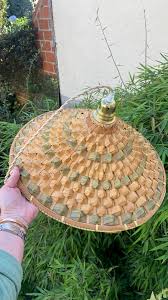
Vintage rattan pendant light Green - Sold
bibelotandco.fr · €45
Vintage Unique Woven Straw Doll Hat W/ Ribbon. For…
rubylane.com · $95

Please message me BEFORE purchasing:) Love Shack..…
depop.com · $250
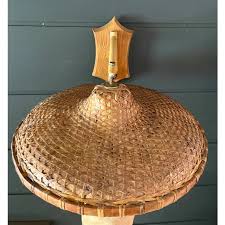
Mid-Century Organic Woven Wicker and Bamboo Wall S…
chairish.com · $1225

Asian Sun Hat | eBay
ebay.com
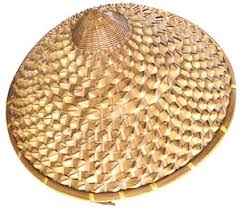
Asian Bamboo Hat | eBay
ebay.com
Have an antique to identify?
Get an instant AI appraisal with values, history, and market insights.
Download for iPhone