Cookware Value & Price Guide
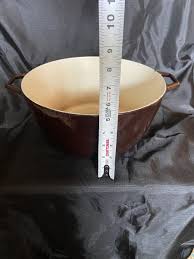
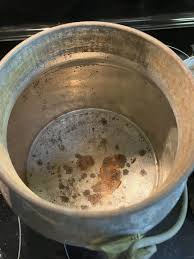
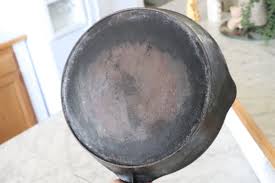
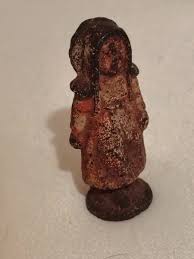
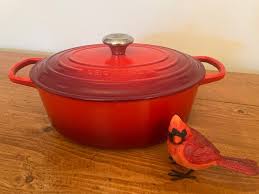
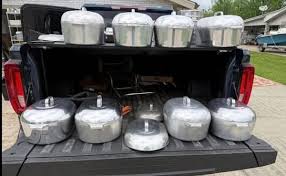
Collectible cookware represents a unique intersection of culinary history and functional art, ranging from rugged 19th-century cast iron to mid-century modern aluminum. Enthusiasts value these pieces not only for their aesthetic appeal in a vintage kitchen but also for their superior heat retention and durability compared to many modern alternatives.
Price Range: $45 - $60 based on recent sales
History of Cookware
The evolution of cookware reflects the technological advancements of the domestic kitchen over the last two centuries. In the 1800s, heavy cast iron and copper cauldrons were the standard, designed to withstand the intense heat of open hearths and wood-burning stoves. As cooking moved to gas and electric ranges in the early 20th century, materials like Wagner Ware's Magnalite aluminum alloy gained popularity for their lightweight properties and rapid heat conduction. The mid-20th century introduced a focus on color and style, led by the rise of enameled cast iron from brands like Le Creuset, which transitioned cookware from the stove directly to the serving table. Today, these vintage pieces are highly sought after by chefs and decorators alike for their craftsmanship and the unique patina that only decades of seasoning and use can provide.
Value Factors for Cookware
The typical price range for Cookware is $45 - $60 based on recent sales. However, values can vary depending on the item's condition, rarity, and other factors such as:
- Material purity and thickness, particularly in heavy-gauge copper and early cast iron pours.
- The presence of original lids and matching sets, which significantly increases the desirability for collectors.
- Rarity of the manufacturer's 'maker's mark' and the specific era of production, such as pre-1960s Wagner or Griswold.
- The condition of the cooking surface, where smooth, glass-like interiors on vintage iron command much higher prices than pitted or rusted examples.
Tips for Buying Cookware
- Check for 'wobble' or warping on the bottom of cast iron and copper pans, as a perfectly flat surface is essential for even heating.
- Inspect enameled pieces like Le Creuset for interior chips or deep staining, which can affect both food safety and resale value.
- Look for manufacturer marks or logos on the underside, such as the Wagner Ware stylized logo or early Griswold 'ERIE' stamps, to verify authenticity.
- Verify the weight and thickness of copper items, as high-quality collectible copper should be at least 2mm thick and ideally feature hand-hammered details.
Items in This Collection
- Enameled Cast Iron Pot
- Magnalite Pot
- Gate-Marked Cast Iron Skillet
- Aunt Jemima Cast Iron Skillet
- Le Creuset Round Dutch Oven
- Wagner Ware Magnalite Cookware
- Vintage Cast Iron Kettle
- Copper Skillet
- Club Aluminum Dutch Oven
- Brass Tea Kettle
- Vintage Cast Iron Cornbread Pan
- Old Mountain Cast Iron Skillet
- Vintage Copper Colander
- Wagner Ware Cast Iron Skillet
- Granite Ware Roasting Pan
- Large Copper Cauldron
- Graniteware Stock Pot
- Cast Iron Chicken Fryer with Lid
- Lodge Cast Iron Chicken Fryer
- Wagner Ware Magnalite Roaster
Have an antique to identify?
Get an instant AI appraisal with values, history, and market insights.
Download for iPhone