Coptic Textile Fragment Value Guide
- Period
- 300-1200
- Origin
- Egypt
- Materials
- Linen, wool
- Category
- Coptic textile
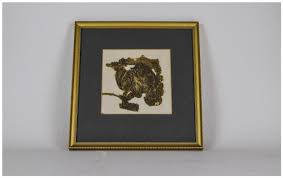
These Egyptian textile fragments represent a sophisticated artistic tradition spanning the 3rd to 12th centuries, bridging the gap between late antiquity and the early Islamic period. Highly collectible for their intricate tapestry-weave techniques, they often feature a unique fusion of Christian iconography and classical mythological motifs.
What Is Coptic Textile Fragment Worth?
The typical price range for Coptic Textile Fragment is $1,080 - $1,080 based on recent sales. However, values can vary depending on the item's condition, rarity, and other factors such as:
- The presence of complex figurative scenes or rare Christian symbols significantly increases market value.
- Condition of the fibers, specifically the preservation of the wool pile and the lack of excessive dry rot in the linen.
- The vibrancy of the original natural dyes and the level of contrast remaining in the decorative bands.
- Provenance and the quality of the archival framing used to protect the delicate ancient fibers.
How to Identify Coptic Textile Fragment?
- Look for the characteristic 'S-spun' linen warp and 'Z-spun' wool weft common in authentic Coptic weaving.
- Examine the tapestry-weave technique where colored wool threads are woven into a plain linen ground to create patterns.
- Check for natural dyes like madder for reds, indigo for blues, and weld for yellows, which show age-appropriate fading.
- Identify specific Coptic motifs such as stylized vine scrolls, geometric borders, or nimbed figures typical of the era.
History of Coptic Textile Fragment
Coptic textiles are remnants of a rich artistic tradition in Egypt, primarily from the 3rd to 12th centuries CE. These fabrics, often made from linen or wool, served various purposes from clothing to religious hangings. Their designs frequently incorporated Christian iconography, mythological figures, and intricate geometric patterns, reflecting the diverse cultural influences of the Coptic period.
Shop Similar
1850's Antique Silhouette Framed Picture Woman in …
ebay.com · $60
Scafell Pike Topographical Map in Aged Bronze Fini…
etsy.com · $201
Vintage Etching Abstract Expressionism Modernism S…
ebay.com · $428
Custom Dog Portrait: Unique Acrylic Painting, Nose…
etsy.com
Sold at Auction: Ancient Roman Egypt Coptic Linen …
invaluable.com
John Richard Shadow Box Picture Frame
fuentesdeandalucia.org
Have an antique to identify?
Get an instant AI appraisal with values, history, and market insights.
Download for iPhone