Decorative Urn Planter Value Guide
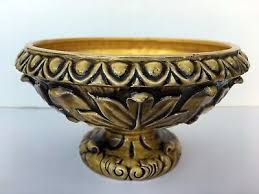
- Period
- 1970s-1990s
- Origin
- Unknown
- Materials
- Resin, composite, paint
- Category
- Decorative urn
These decorative urn planters, produced between the 1970s and 1990s, capture the classical grandeur of Greek and Roman aesthetics through accessible modern materials. Their ornate pedestal bases and antiqued finishes make them highly sought after for achieving a vintage, European garden look in interior design.
What Is Decorative Urn Planter Worth?
The typical price range for Decorative Urn Planter is $25 - $40 based on recent sales. However, values can vary depending on the item's condition, rarity, and other factors such as:
- The physical condition of the resin, specifically looking for cracks, chips, or structural stability in the pedestal.
- The quality and preservation of the antiqued paint finish, as heavy peeling can reduce decorative appeal.
- The intricacy of the molded ornate details on the bowl and base compared to simpler mass-produced versions.
- Current market demand for 'shabby chic' or 'classical revival' home accents which typically puts value between $25 and $40.
How to Identify Decorative Urn Planter?
- Check for a lightweight resin or composite material construction rather than heavy stone or bronze.
- Look for a factory-applied distressed or antiqued paint finish designed to mimic aged terracotta or metal.
- Identify the characteristic ornate pedestal base and bowl shape typical of late 20th-century classical revival decor.
- Inspect the interior for signs of use with small plants or floral foam, common for these decorative pieces.
History of Decorative Urn Planter
Decorative urns and planters have a rich history, dating back to ancient civilizations such as the Greeks and Romans who used them for both practical and ceremonial purposes. During the Renaissance, their popularity surged in European gardens and homes, often made from terracotta, stone, or bronze. The style of this particular piece, with its distressed finish and ornate base, reflects a desire to mimic the aged grandeur of classical or early modern designs. These types of decorative pieces became widely accessible in the 20th century, produced in various materials to bring a touch of vintage elegance to any interior.
Shop Similar
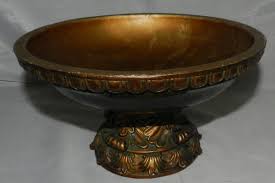
Decorative Wood Finish Pedestal Centerpiece Bowl B…
ebay.com · $10
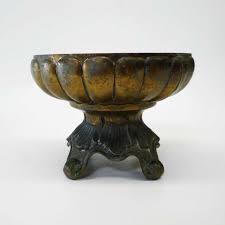
Brass Ornamental Bowl – AXIS
axiscrew.com.au · $10
Vintage 1970s Enesco Japan Glazed Ceramic Pedestal…
ebay.com · $20
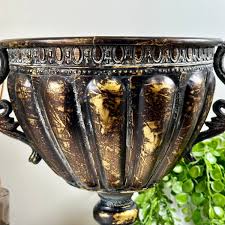
Urn Planter Large Antique Bronze Metal Rustic Indo…
ebay.com · £36
Chinese Antique Pure Copper Handmade Carved Lotus …
etsy.com · $48
Resin Decorative Plates & Bowls for sale | eBay
ebay.com
Related Items
Have an antique to identify?
Get an instant AI appraisal with values, history, and market insights.
Download for iPhone