Dholak Value Guide
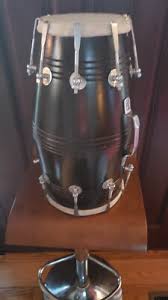
- Period
- 1800-Present
- Origin
- India
- Materials
- Wood, animal skin, metal, rope
- Category
- Musical instrument
The Dholak is a cornerstone of South Asian percussion, essential to everything from traditional devotional bhajans to modern Bollywood soundtracks. These double-headed hand drums are prized by collectors for their hand-carved wooden shells and their historical significance in the folk music of India, Pakistan, and Nepal.
What Is Dholak Worth?
The typical price range for Dholak is $180 - $200 based on recent sales. However, values can vary depending on the item's condition, rarity, and other factors such as:
- The quality and type of wood used for the shell, with dense hardwoods like sheesham commanding higher prices.
- The condition of the animal skin heads and the presence of the internal 'dholak masala' tuning paste.
- Age and provenance, particularly examples from the 19th century with original rope rigging.
- Intricacy of any hand-carved decorative motifs or regional stylistic variations on the exterior.
How to Identify Dholak?
- Look for a barrel-shaped shell carved from a single block of wood, typically sheesham or mango wood.
- Identify the two distinct drumheads: a larger bass side and a smaller treble side, traditionally made of goat skin.
- Check for traditional rope tensioning systems or modern metal turnbuckles used for tuning the heads.
- Examine the interior for hand-chiseled marks which indicate an authentic, non-mass-produced vintage shell.
History of Dholak
The Dholak is a traditional Indian percussion instrument with a rich history dating back centuries. It is widely used in folk music across India, Pakistan, Nepal, and Bangladesh. The Dholak's versatility makes it a staple in various musical genres, from Bollywood film songs to devotional bhajans and traditional dance forms. Its distinctive sound is created by two drumheads, one for bass and one for treble, played with the hands. Over time, the Dholak has evolved, incorporating different tuning mechanisms and materials, yet its fundamental role in South Asian music remains unchanged, bringing vibrant rhythms to countless celebrations and performances.
Shop Similar
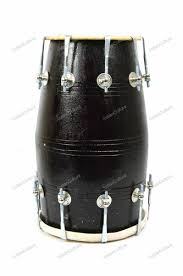
High Quality Folk Musical Instrument Black Wooden …
ebay.com · $36
SAI Musicals Dholak Drum, Indian Musical Instrumen…
ebay.com · $79
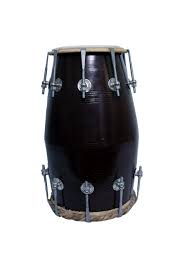
Handmade Professional Dholak, Musical Rope Dholak,…
etsy.com · $184
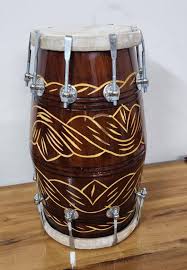
Handmade Mango Wood Dholak Drum: Bolt & Rope Tuned…
etsy.com · $210
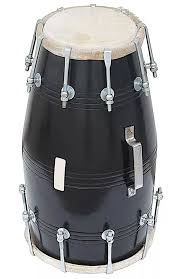
Professional Quality Dholak Drum Handmade Shesham …
saimusicalshop.com · $233
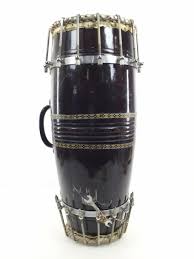
Sold at Auction: Indian Mruthangam/ Pakkavaj Ethni…
invaluable.com
Related Items
Have an antique to identify?
Get an instant AI appraisal with values, history, and market insights.
Download for iPhone