Diamond Dyes Cabinet Value Guide
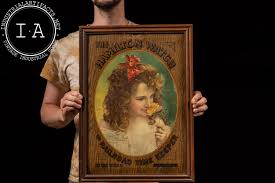
- Period
- 1890-1910
- Origin
- United States
- Materials
- wood, tin lithograph
- Category
- Diamond dyes advertising
This Diamond Dyes display cabinet is a premier example of late 19th-century general store advertising produced by the Wells and Richardson Company of Burlington, Vermont. Its iconic lithographed tin front, featuring a charming 'Baby and Flowers' motif, served as a vibrant marketing tool to sell home fabric dyes to American households between 1890 and 1910.
What Is Diamond Dyes Cabinet Worth?
The typical price range for Diamond Dyes Cabinet is $1,000 - $1,200 based on recent sales. However, values can vary depending on the item's condition, rarity, and other factors such as:
- Condition of the tin lithograph, specifically the presence of scratches, fading, or rust on the baby and flower imagery.
- Completeness of the interior, including the original wooden shelves and dividers used for product organization.
- Presence of the original back door and hardware, which are frequently missing or replaced in lesser examples.
- Overall structural integrity of the wooden cabinet and the vibrancy of the original paint or stain.
How to Identify Diamond Dyes Cabinet?
- Verify the lithographed tin front features the specific image of a baby surrounded by flowers, a hallmark of this era's Diamond Dyes branding.
- Check for the Wells and Richardson Company manufacturer markings, typically found on the lithography or the wooden structure.
- Examine the interior for original wooden cubby dividers designed to hold individual dye packets.
- Look for authentic age-related wear on the wood and tin, as modern reproductions often lack the correct patina and depth of color in the lithography.
History of Diamond Dyes Cabinet
Diamond Dyes were a popular brand of home fabric dyes produced by the Wells and Richardson Company in Burlington, Vermont. These vibrant and convenient dyes became a household staple in the late 19th and early 20th centuries, allowing people to refresh their clothing and home textiles easily. General store display cabinets like this one were essential marketing tools, designed to attract customers' attention and showcase the product's appeal with charming imagery, often featuring children, which was common in advertising of that era.
Shop Similar
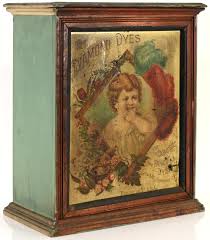
Sold at Auction: Antique Diamond Dyes "Baby" Displ…
invaluable.com · $50
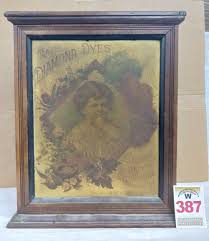
Sold at Auction: The Diamond Dyes cabinet: will no…
invaluable.com · $70
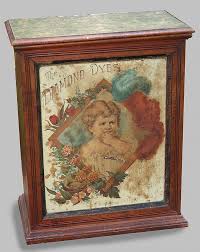
Lot - "DIAMOND DYES" COUNTER DISPLAY CABINET In wa…
eldreds.com · $160
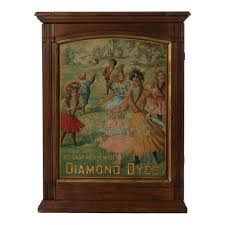
Circa 1900 Diamond Dyes Country Store Cabinet | Ch…
chairish.com · $1550
Framed Early 20th Century "purity" Hamilton Watch …
etsy.com · $1668
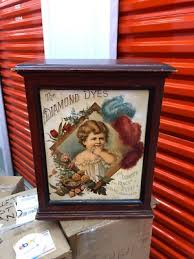
VINTAGE RARE SUPERBc.1890 TIN LITHOGRAPHED "DIAMON…
ebay.com
Have an antique to identify?
Get an instant AI appraisal with values, history, and market insights.
Download for iPhone