Dur-X Glass Fruit and Cake Knife Value Guide
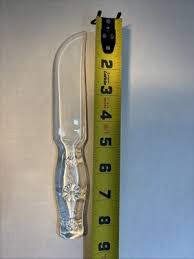
- Period
- 1938-1945
- Origin
- United States
- Materials
- Glass
- Category
- Dur-x glass
The Dur-X Glass Fruit and Cake Knife is a fascinating artifact from the 1938-1945 era, born out of necessity due to wartime metal shortages. These knives are highly collectible today because they represent a specific moment in American history when glass was marketed as a superior, non-reactive alternative to steel for cutting acidic fruits.
What Is Dur-X Glass Fruit and Cake Knife Worth?
The typical price range for Dur-X Glass Fruit and Cake Knife is $15 - $22 based on recent sales. However, values can vary depending on the item's condition, rarity, and other factors such as:
- Condition is paramount, as glass knives are prone to 'flea bites' or small chips along the cutting edge.
- The clarity of the glass, specifically the absence of 'sick glass' or permanent cloudiness from dishwasher use.
- Presence of the original era-appropriate packaging or marketing inserts can significantly increase the $15-$22 price point.
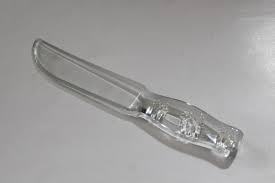
- The crispness of the molded starburst and floral details on the handle affects display desirability.
How to Identify Dur-X Glass Fruit and Cake Knife?
- Look for the distinct starburst and floral decorative pattern molded directly into the glass handle.
- Verify the clear depression glass material which should be heavy and free of modern machine seams.
- Check for the 'Dur-X' branding which was the primary trademark for these specialized kitchen tools produced in the United States.
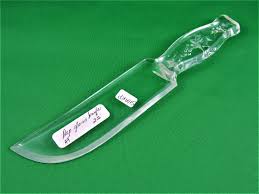
- Examine the blade edge for the characteristic thick, ground glass beveling used for slicing soft foods.
History of Dur-X Glass Fruit and Cake Knife
Glass knives were popular during the Great Depression and World War II. Because of the metal shortage during the war, household items like cutlery were often manufactured from glass. These knives were marketed as superior to steel because they did not rust, stain, or impart a metallic taste to acidic fruits and citrus.
Shop Similar
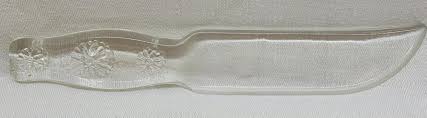
Vintage Glass Cake Knife – Whatnots & Whimsies
whatnotsandwhimsies.com · $8
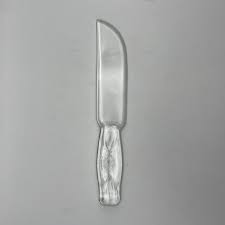
Vintage DUR-X Glass Cake Pie Knife Star Burst Desi…
nostalgia2now.com · $15
VINTAGE Dur-X Glass Fruit And Cake Knife w/Box & P…
ebay.com · $17
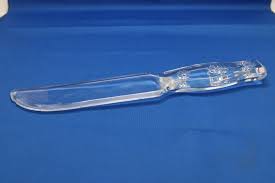
Vintage Clear Glass Knife 8.5" Sharp Edge Cuts Fru…
ebay.com · $21
vintage depression glass fruit knife, 1930s 40s gl…
laurelleaffarm.com · $24
Knife - Depression Glass - Vitex-Glas Knife – Sold…
soldoutright.myshopify.com · $45
Have an antique to identify?
Get an instant AI appraisal with values, history, and market insights.
Download for iPhone