Edo-style Kite Value Guide
- Period
- 1900-1940
- Origin
- Japan
- Materials
- Paper, bamboo, string, ink or paint
- Category
- Edo period
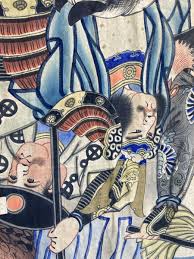
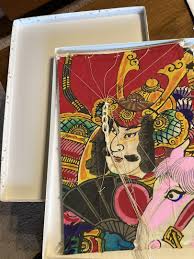
This vintage Edo-style kite, or Edo Dako, is a stunning example of Japanese craftsmanship from the 1900-1940 era, featuring a hand-painted samurai warrior on horseback. These kites transitioned from popular pastimes to significant art forms, utilizing ukiyo-e aesthetic traditions to depict historical and mythological themes.
What Is Edo-style Kite Worth?
The typical price range for Edo-style Kite is $100 - $150 based on recent sales. However, values can vary depending on the item's condition, rarity, and other factors such as:
- The condition of the hand-painted samurai imagery, as fading or water damage significantly impacts the $100-$150 price range.
- Structural integrity of the bamboo frame and the presence of original stringing components.
- The complexity and detail of the artwork, with multi-color depictions of warriors on horseback commanding higher collector interest.
- Provenance or evidence of origin from the 1900-1940 period versus later mid-century souvenir replicas.
How to Identify Edo-style Kite?
- Examine the frame for hand-split bamboo struts characteristic of early 20th-century Japanese construction.
- Look for hand-painted ink and pigment applications on traditional washi paper rather than modern printed reproductions.
- Verify the ukiyo-e art style, specifically focusing on the bold lines and dramatic expressions typical of samurai and kabuki depictions.
- Check for age-appropriate patina on the string and paper, which should show natural darkening without modern synthetic fibers.
History of Edo-style Kite
Edo-style kites, known as Edo Dako, originated in Japan during the Edo period (1603-1868). These kites are renowned for their intricate designs, often featuring ukiyo-e style paintings of kabuki actors, historical figures, or mythological creatures. Originally, kite flying was a popular pastime, but Edo kites also evolved into a significant art form, with skilled artisans creating elaborate pieces that were admired for their beauty and craftsmanship. They are often displayed as decorative items.
Shop Similar
Japanse Art More than 60 Works Raymond Johnes 1961…
ebay.com · $18
1924, Japanese Vintage Woodblock Print Ukiyo-e, Ma…
etsy.com · $25
Framed Print of “hanging Poems on a Cherry Tree” b…
etsy.com · $58
Antique Japanese Woodblock - Utagawa Toyokuni l - …
ebay.com
Antique Large 28”x23F Samurai 18-1900s Hand PAINTE…
ebay.com
江戸凧(えどだこ) 飾り凧 錦凧 - メルカリ
jp.mercari.com
Have an antique to identify?
Get an instant AI appraisal with values, history, and market insights.
Download for iPhone