Egyptian Ushabti Figures Value Guide
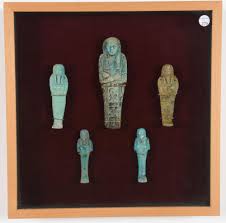
- Period
- 1069-332 BCE
- Origin
- Egypt
- Materials
- Faience, glaze
- Category
- Egyptian figurine
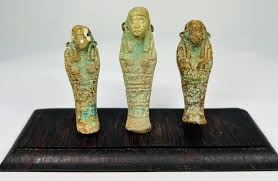
These Egyptian Ushabti figures represent a profound funerary tradition from the Late Period, designed to serve the deceased in the afterlife under the command of Osiris. Crafted from glazed faience, these four figurines exemplify the mass-produced yet spiritually significant talismans that were once buried in sets of 365 to cover every day of the year.
What Is Egyptian Ushabti Figures Worth?
The typical price range for Egyptian Ushabti Figures is $1,100 - $1,200 based on recent sales. However, values can vary depending on the item's condition, rarity, and other factors such as:
- The preservation of the vibrant blue or green glaze significantly impacts the market value of the set.
- The clarity and legibility of any molded or incised hieroglyphic texts on the front or back pillars.
- The physical condition of the figures, specifically the absence of repairs to the neck or feet which are common break points.
- The aesthetic appeal and historical context provided by the professional framing and curation of the four-piece set.
How to Identify Egyptian Ushabti Figures?
- Look for the characteristic blue or green glaze typical of ancient Egyptian faience from the 1069-332 BCE era.
- Examine the figures for molded details such as crossed arms, agricultural tools, or seed bags, which signify their role as laborers.
- Check for traces of hieroglyphic inscriptions or 'mummy-form' shaping consistent with Late Period production techniques.
- Verify the material composition to ensure it is authentic fired quartz-based ceramics rather than modern resin or plaster imitations.
History of Egyptian Ushabti Figures
Ushabti were funerary figures placed in ancient Egyptian tombs intended to act as servants or substitutes for the deceased in the afterlife. They were believed to magically come to life to perform labor requested by the god Osiris. Originally appearing in the Middle Kingdom, they were produced in vast quantities during the Late Period, often with 365 worker figures—one for each day of the year.
Shop Similar
Lot - Group of 5 Egyptian Ushabti. Blue faience La…
tremontauctions.com · $1500
Shabti Dolls – Irish Linen Centre & Lisburn Museum
lisburnmuseum.com
1898.44.8_9_13_18 | Antiquity and America
bcma.bowdoin.edu
Owner of Ancient Egyptian tomb finally identified …
ladbible.com
Ancient Egyptian Ushabti Figures (3) | Circa 1069–…
relicandrarity.com
Seven Egyptian shabtis. New Kingdom - Late Period,…
lot-art.com
Have an antique to identify?
Get an instant AI appraisal with values, history, and market insights.
Download for iPhone