Elgin Pocket Watch Movement Value Guide
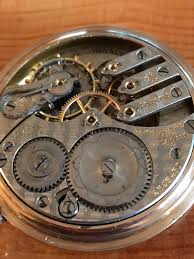
- Period
- 1910-1920
- Origin
- USA
- Materials
- Steel, brass, jewels
- Category
- Elgin watch
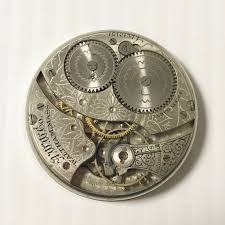
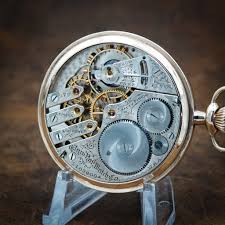
This 16-size Elgin pocket watch movement represents the pinnacle of American industrial timekeeping from the 1910-1920 era. Featuring a sophisticated 17-jewel setup and a distinctive three-finger bridge design, it is a highly sought-after specimen for collectors of Elgin National Watch Company history.
What Is Elgin Pocket Watch Movement Worth?
The typical price range for Elgin Pocket Watch Movement is $250 - $280 based on recent sales. However, values can vary depending on the item's condition, rarity, and other factors such as:
- The presence and condition of the three-finger bridge design, which is more aesthetically desirable than standard plate movements.
- Mechanical functionality and the cleanliness of the 17-jewel movement, including the integrity of the steel and brass components.
- Market demand for early 20th-century American-made movements, currently ranging from $250 to $280.
- Originality of the parts, ensuring no modern replacements have compromised the historical integrity of the 1910s era piece.
How to Identify Elgin Pocket Watch Movement?
- Verify the 'three-finger bridge' layout where the gear train is supported by three separate, elegant structural arms.
- Check for the '17 Jewels' engraving and the Elgin National Watch Co. signature on the movement plates.
- Confirm the 16-size dimensions, which was a standard American size for railroad and gentleman's pocket watches.
- Cross-reference the serial number with Elgin production records to confirm the 1910-1920 manufacture date.
History of Elgin Pocket Watch Movement
Elgin National Watch Company was a major American watch manufacturer from 1864 to 1968. Known for producing millions of watches, Elgin was at the forefront of American watchmaking, contributing significantly to the industrialization of timekeeping. Their movements were prized for their precision and durability, often housed in beautifully crafted cases, and were widely popular during the late 19th and early 20th centuries.
Shop Similar
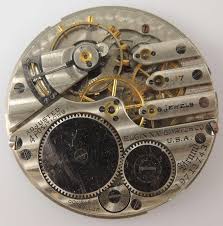
16s 17J 3 Finger Bridge Elgin Pocket Watch Movemen…
etsy.com · $174
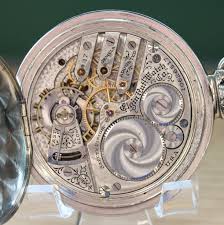
1904 ELGIN Pocket Watch Openface 16s Grade 241 17 …
secondhandhorology.com · $254
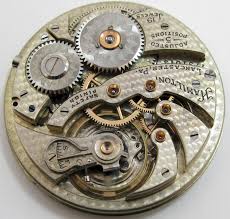
Hamilton 12s 900 Pocket Watch Movement 19 j. fit O…
ebay.com · $255
Antique 16s Burlington Pocket Watch 19j --Three fi…
ebay.com · $280
E927 Vintage Waltham Wrist Watch Movement for Part…
etsy.com
c.1905 Elgin Grade 244 - Pocket Watch Database Blo…
blog.pocketwatchdatabase.com
Related Items
Have an antique to identify?
Get an instant AI appraisal with values, history, and market insights.
Download for iPhone