Embossed Tin Ceiling Tile Value Guide
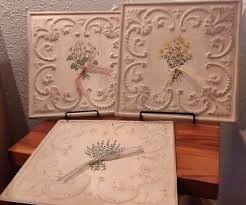
- Period
- 1890-1920
- Origin
- United States
- Materials
- Tin, paint
- Category
- Embossed tin
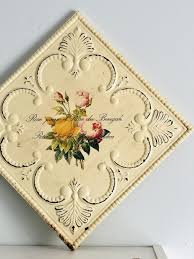
Originating in the United States between 1880 and 1930, these embossed tin tiles served as a fire-resistant and affordable alternative to expensive European plasterwork. This specific piece, dating from 1890-1920, is highly collectible for its unique repurposing as wall art featuring rare French script and floral motifs.
What Is Embossed Tin Ceiling Tile Worth?
The typical price range for Embossed Tin Ceiling Tile is $75 - $120 based on recent sales. However, values can vary depending on the item's condition, rarity, and other factors such as:
- The presence of unique decorative elements like French script significantly increases desirability over plain geometric patterns.
- Overall condition of the tin, including the level of rust, structural integrity, and the quality of the floral embossing.
- The aesthetic appeal of the paint finish, whether it is original chippy lead paint or a professionally restored decorative patina.
- Market demand for specific sizes that are easily integrated into modern home decor as headboards or backsplashes.
How to Identify Embossed Tin Ceiling Tile?
- Look for authentic signs of oxidation and age-related wear on the tin surface consistent with the 1890-1920 era.
- Verify the presence of deep, crisp embossing in the floral patterns, which distinguishes original pressings from modern thin-gauge reproductions.
- Check for original nail holes along the perimeter used for the initial installation in North American buildings.
- Examine the French script application to ensure it complements the historical patina of the metal.
History of Embossed Tin Ceiling Tile
Embossed tin ceiling tiles became popular in North America from the 1880s through the 1930s as an affordable and fire-resistant alternative to plasterwork. They were often used to mimic the ornate European plaster ceilings found in grander homes and public buildings. While initially functional, many are now valued for their decorative qualities and are frequently repurposed as unique wall art, backsplashes, or headboards, bringing a touch of vintage charm to modern interiors.
Shop Similar
12" X 12" Metal Crafted Embossed Tin Tiles Hand Pa…
ebay.com · $96
Vintage Decorative Colorful Designed Embossed Cera…
ebay.com.au
Corrugated Tin Ceiling Tiles - Etsy Canada
etsy.com
Mid century bedside tables | Greater Portland Main…
facebook.com
즐거운 온라인 쇼핑공간에 오신 것을 환영합니다!
m.myvintage.co.kr
Fireplace Matches Box for sale | eBay
ebay.ca
Have an antique to identify?
Get an instant AI appraisal with values, history, and market insights.
Download for iPhone