Ethiopian Headrest Value Guide
- Period
- 1950-1970
- Origin
- Ethiopia
- Materials
- Wood
- Category
- Ethiopian art
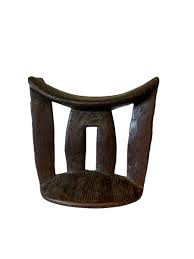
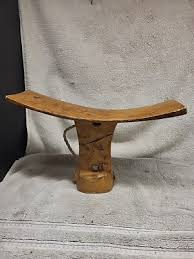
This mid-20th century Ethiopian headrest is a significant cultural artifact used by the Kambaata or Oromo people to preserve intricate hairstyles during sleep. Beyond their utility, these portable wooden supports serve as status symbols and personal talismans that reflect the specific artistic traditions of East African ethnic groups.
What Is Ethiopian Headrest Worth?
The typical price range for Ethiopian Headrest is $175 - $175 based on recent sales. However, values can vary depending on the item's condition, rarity, and other factors such as:
- The specific ethnic attribution, with Kambaata and Oromo designs being highly sought after by collectors.
- The quality and intricacy of the hand-carved decorative motifs on the base and support.
- Overall condition of the wood, including the presence of a rich, dark patina developed from skin contact.
- Historical provenance and evidence of the item's use in traditional Ethiopian cultural practices.
How to Identify Ethiopian Headrest?
- Look for the distinct patina and wear patterns consistent with daily use between 1950 and 1970.
- Identify specific geometric carvings or structural forms characteristic of Kambaata or Oromo craftsmanship.
- Examine the wood for hand-tool marks rather than modern machine sanding, indicating traditional production.
- Verify the portable, lightweight design intended for personal transport throughout the owner's life.
History of Ethiopian Headrest
Headrests have been used across Africa for millennia, serving both practical and symbolic purposes. In Ethiopia, these portable wooden headrests are deeply embedded in cultural practices. They are used to protect intricate hairstyles while sleeping, but also carry significant cultural weight, often indicating social status or serving as personal objects that accompany individuals throughout their lives and into the afterlife. The specific designs and carvings can vary greatly between ethnic groups, reflecting unique artistic traditions and beliefs.
Shop Similar
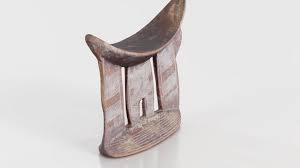
Headrest Africa Wood Furniture Prop 18 - 3D Model …
renderhub.com · $20
Tribal African Ethiopian Arussi or Kambatta Headre…
etsy.com · $170
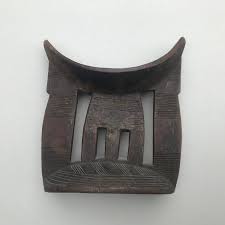
African Wooden Neckrest, 1970s, Oromo, Ethiopia - …
etsy.com · $182
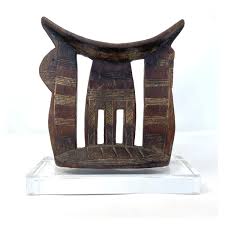
Vintage Ethiopian Kambaata Headrest with Acrylic B…
ourtastedesign.com · $185
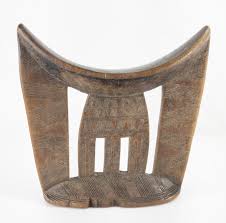
African Ethiopian Tribal Carved Wood Neck Rest | C…
chairish.com · $200
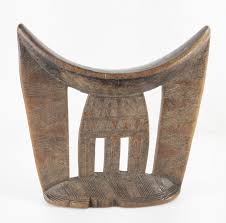
Antique Vintage African Tribal Ethnographic Carved…
ebay.com
Related Items
Have an antique to identify?
Get an instant AI appraisal with values, history, and market insights.
Download for iPhone