Figurative Art Value & Price Guide
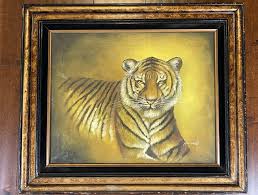
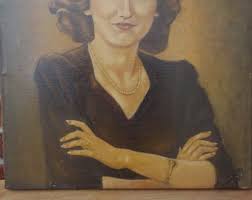
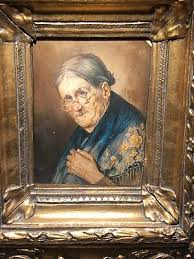
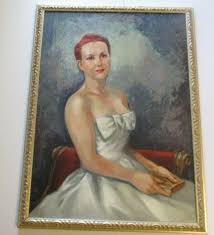
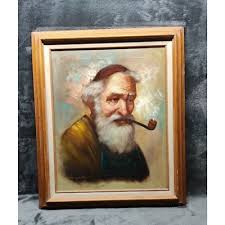
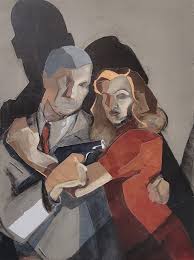
Figurative art collectibles encompass a diverse range of works that remain grounded in real-world imagery, specifically focusing on the human form and its surroundings. This category offers collectors a unique opportunity to explore human emotion, historical fashion, and social narratives through paintings and sculptures.
Price Range: $300 - $355 based on recent sales
History of Figurative Art
The history of figurative art is as old as humanity itself, evolving from prehistoric cave drawings to the highly structured portraiture of the Renaissance and the expressive realism of the 19th century. While the rise of abstraction in the 20th century challenged its dominance, figurative art saw a powerful resurgence through movements like Neo-Expressionism and Photorealism, proving the enduring appeal of the human figure. Throughout the decades, artists have used the human form to reflect the changing social and political landscapes of their time. From the formal, status-driven portraits of the early 1900s to the more experimental and emotive depictions found in contemporary works, figurative art remains a primary vehicle for storytelling and personal expression in the art market.
Value Factors for Figurative Art
The typical price range for Figurative Art is $300 - $355 based on recent sales. However, values can vary depending on the item's condition, rarity, and other factors such as:
- The identity or social significance of the subject, with known figures often commanding a premium over anonymous sitters.
- The technical skill displayed in the rendering of skin tones, light, and shadow, which are critical benchmarks for figurative quality.
- The era of production, as pieces from the early 20th century often fetch higher prices due to scarcity and historical aesthetic trends.
- The size and complexity of the composition, where multi-figure scenes typically hold more value than simple head-and-shoulder portraits.
Tips for Buying Figurative Art
- Examine the anatomical accuracy or intentional distortion, as both can significantly impact the artistic merit and market demand.
- Verify the provenance and exhibition history, especially for mid-century portraits which often carry higher value when linked to known estates.
- Assess the condition of the medium, looking for signs of paint flaking or canvas stretching that can occur in older 19th and early 20th-century works.
- Consider the cultural context of the subject matter, as specific eras like the 1920s or 1950s have distinct stylistic hallmarks that appeal to different collector niches.
Items in This Collection
- Watching
- Portrait of a Woman
- Portrait of an Elderly Woman
- Portrait of a Blonde Woman
- Old Man Portrait
- Street Musicians
- Figurative Sculpture
- Portrait of an Elderly Man
- Man in Art
- Angel Wings Painting
- Portrait of an Old Lady
- Emmett Kelly Clown Painting
- Picasso Blue Nude Print
- Portrait of a Nun
- Nude with Calla Lilies
- The Sugar Shack by Ernie Barnes
- Joyce Roybal Painting
- Figurative Painting
- Don Quixote Wooden Sculpture
- Male Torso Sculpture
Have an antique to identify?
Get an instant AI appraisal with values, history, and market insights.
Download for iPhone