Folk Art Duck Decoy Value Guide
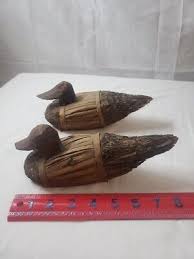
- Period
- 1930-1960
- Origin
- United States
- Materials
- Carved wood, straw, corn husk
- Category
- Folk art
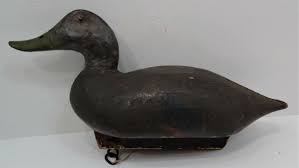
This 1930-1960 American folk art duck decoy is a rare example of rustic resourcefulness, utilizing a unique combination of a carved wooden head and a woven straw or corn husk body. Unlike mass-produced cork or solid wood versions, these mixed-media pieces represent a distinct regional craftsmanship born from the necessity of using readily available natural materials.
What Is Folk Art Duck Decoy Worth?
The typical price range for Folk Art Duck Decoy is $100 - $110 based on recent sales. However, values can vary depending on the item's condition, rarity, and other factors such as:
- The preservation of the fragile straw or corn husk body significantly impacts the $100-$110 price point.
- The presence of original paint or patina on the carved wooden head increases collector interest.
- Structural integrity of the connection between the wooden head and the woven body.
- The rarity of the mixed-media design compared to standard all-wood or cork decoys from the same era.
How to Identify Folk Art Duck Decoy?
- Examine the body for authentic hand-woven straw or corn husk construction typical of mid-century American folk art.
- Look for a hand-carved wooden head that shows signs of age-appropriate wear and original tool marks.
- Verify the origin as United States, specifically looking for regional stylistic markers in the head shape and bill carving.
- Check for the absence of modern adhesives, as authentic 1930-1960 pieces rely on traditional binding techniques.
History of Folk Art Duck Decoy
Duck decoys have been used for centuries by hunters to attract waterfowl. Early decoys were often crude, crafted by hand from readily available materials like wood, reeds, or cork. Over time, decoy carving evolved into a distinct folk art form, with regional styles and individual carvers gaining recognition. These pieces are not only functional hunting tools but also cherished examples of American folk art and craftsmanship. The use of straw or corn husk for the body is a less common, more rustic approach, suggesting a resourceful artisan.
Shop Similar
2 Vintage Folk Art Handcrafted Duck Decoy Decor Re…
ebay.com · $15
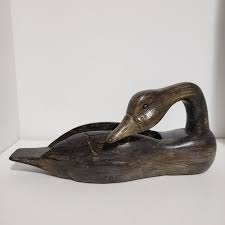
Wooden Duck Decor Piece Hand-painted - Etsy
etsy.com · $18
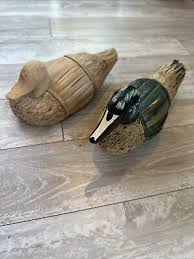
Reed Ducks Set Of Two One Mallard | eBay
ebay.com · $20
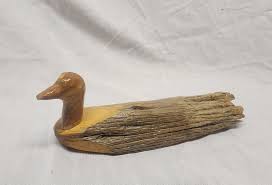
Hand Carved Wood Duck - Etsy
etsy.com · $26
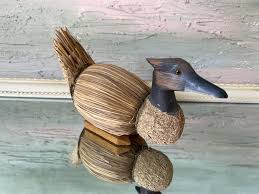
Vintage Straw Duck Figurine: Carved Wood, Cottagec…
etsy.com · $44
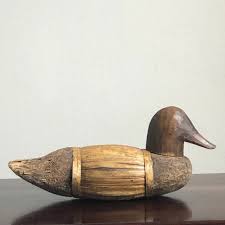
Primitive Corn Husk Duck Decoy | Chairish
chairish.com · $129
Related Items


Have an antique to identify?
Get an instant AI appraisal with values, history, and market insights.
Download for iPhone