Framed Family Coat of Arms Value Guide
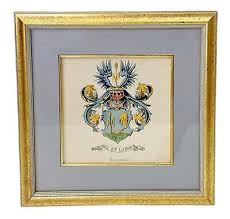
- Period
- 1970-2000
- Origin
- United Kingdom
- Materials
- paper, ink, wood, glass
- Category
- Genealogy
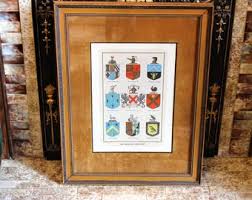
This framed heraldic display features the O'Rain and Needham family coats of arms, serving as a modern tribute to 12th-century battlefield identification traditions. These late 20th-century reproductions are highly collectible for those seeking to celebrate British ancestral heritage through decorative armorial bearings.
What Is Framed Family Coat of Arms Worth?
The typical price range for Framed Family Coat of Arms is $50 - $100 based on recent sales. However, values can vary depending on the item's condition, rarity, and other factors such as:
- The physical condition of the paper, specifically looking for any foxing, fading, or moisture damage to the ink.
- The quality and preservation of the wooden frame and protective glass cover.
- The clarity of the heraldic details, including the legibility of the family mottoes.
- Market demand for the specific surnames O'Rain and Needham within the genealogical collecting community.
How to Identify Framed Family Coat of Arms?
- Look for the specific heraldic crests and mottoes associated with the O'Rain and Needham lineages.
- Examine the frame construction, which should consist of period-accurate wood and glass from the 1970-2000 era.
- Verify the origin of the print, as these specific artistic interpretations were commonly produced in the United Kingdom.
- Check for the presence of two distinct shields displayed side-by-side, indicating a dual-family or matrimonial representation.
History of Framed Family Coat of Arms
Coats of arms, or armorial bearings, originated in the 12th century as a means of identification on the battlefield and in tournaments. Over centuries, they evolved into symbols of family lineage and heritage, passed down through generations. While historically granted by heraldic authorities, reproductions and artistic interpretations became popular, especially from the 19th century onwards, allowing families to display their ancestral pride. These particular renditions appear to be modern interpretations or reproductions of existing coats of arms.
Shop Similar
Ora Et Labora Verselt Coat of Arms Crest Wenning V…
ebay.com · $32
![1880 Dutch Heraldry [houses: Trip, Tydeman, Van Uchelen, Uhlenbeck, Nanninga Uitterdyk, Uyttenbogaart] Lithograph Vorsterman Van Oijen - Etsy](https://site-cdn.tryrelic.app/antiques/framed-family-coat-of-arms/3.jpg)
1880 Dutch Heraldry [houses: Trip, Tydeman, Van Uc…
etsy.com · $91
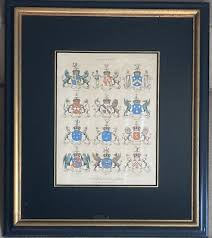
Vintage Hand-Colored Etching Coat of Arms Heraldry…
ebay.com · $150
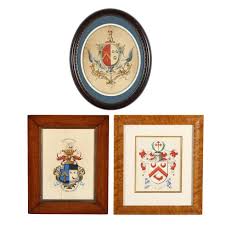
Three Framed English Heraldic Coats of Arms (Lot 1…
lelandlittle.com · $325
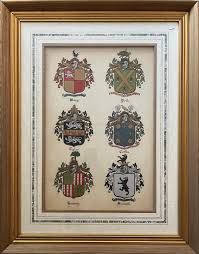
Unknown - "Rhoades Coat-of-Arms" For Sale at 1stDi…
1stdibs.com · $350
Burke's Heraldic Register Framed 1850 Colorful Han…
etsy.com · $382
Related Items
Have an antique to identify?
Get an instant AI appraisal with values, history, and market insights.
Download for iPhone