Gamewell Fire Alarm Box Value Guide
- Period
- 1900-1920
- Origin
- United States
- Materials
- Cast iron, brass, paint
- Category
- Fire alarm box
The Gamewell fire alarm box, famously known as 'The Box That Stops the Conflagration,' represents the gold standard of early 20th-century telegraphic safety. This specific unit features the iconic 'cottage' style roof housing and sits on its original decorative pedestal, making it a highly sought-after centerpiece for industrial and municipal collectors.
What Is Gamewell Fire Alarm Box Worth?
The typical price range for Gamewell Fire Alarm Box is $1,400 - $1,540 based on recent sales. However, values can vary depending on the item's condition, rarity, and other factors such as:
- The presence of the original decorative pedestal significantly increases the market value to the $1,400-$1,540 range.
- Condition of the internal brass telegraph components and the clarity of the exterior cast iron casting.
- Originality of the paint and the presence of any municipal markings or specific station numbers.
- Completeness of the unit, including the pull lever, internal gears, and the integrity of the cast iron housing.
How to Identify Gamewell Fire Alarm Box?
- Verify the presence of the classic 'cottage' style roof housing typical of the 1900-1920 era.
- Check for the authentic Gamewell branding and telegraphic mechanism inside the cast iron shell.
- Ensure the pedestal is the original decorative municipal design rather than a modern reproduction.
- Look for the unique coded pulse lever mechanism used to send signals to the central station.
History of Gamewell Fire Alarm Box
Known as the 'The Box That Stops the Conflagration,' the Gamewell fire alarm system was the gold standard for municipal safety. These telegraphic call boxes allowed citizens to notify the fire department of a blaze instantly by pulling a lever, which sent a unique coded pulse to the central station. This specific unit features the classic 'cottage' style roof housing used throughout the late 19th and early 20th centuries.
Shop Similar
NO STOPPING FIRE LANE - American Sign Company
americansigncompany.com · $10
No Parking Fire Station Sign, SKU: K-1647
myparkingsign.com · $26
Shop for No Stopping Fire Lane Aluminum Sign (HIP …
bannerbuzz.com · $41
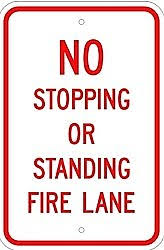
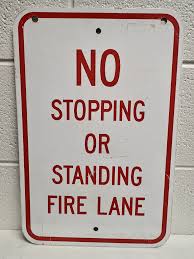
Alum. NO STOPPING OR STANDING - FIRE LANE Signs
theground-up.com · $48
Heavy Enameled Road Sign NO STOPPING OR STANDING F…
ebay.com · $50
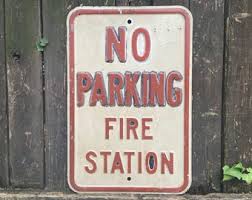
Vintage No Parking Fire Station Metal Sign: Rustic…
etsy.com · $175
Have an antique to identify?
Get an instant AI appraisal with values, history, and market insights.
Download for iPhone