Gerdago Pixie Lamp Value Guide
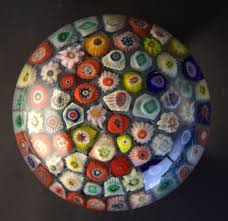
- Period
- 1925-1935
- Origin
- France
- Materials
- Patinated Spelter, Celluloid, Murano Millefiori Glass, Marble
- Category
- Gerdago lamp
The Gerdago Pixie Lamp is a quintessential Art Deco collectible designed by Gerda Iro, featuring theatrical figures inspired by the Ballets Russes. These lamps are highly sought after for their unique fusion of French patinated metalwork and vibrant Italian Murano glass globes.
What Is Gerdago Pixie Lamp Worth?
The typical price range for Gerdago Pixie Lamp is $850 - $935 based on recent sales. However, values can vary depending on the item's condition, rarity, and other factors such as:
- The condition and complexity of the millefiori glass shade, as chips or cracks significantly reduce market value.
- The preservation of the original patina on the spelter figure, with original finishes commanding higher prices.
- The integrity of the celluloid components, which are prone to shrinking or cracking over time.
- The rarity of the specific pose or costume design, with more dynamic 'dancer' positions reaching the $935 range.
How to Identify Gerdago Pixie Lamp?
- Look for the distinct millefiori glass globe, characterized by colorful floral patterns fused into the glass.
- Examine the figure for theatrical, stylized costumes and poses typical of Gerdago's 1920s-1930s aesthetic.
- Check for a base made of authentic marble or onyx, which typically supports the patinated spelter figure.
- Verify the presence of celluloid accents, often used for the face or hands to provide a lifelike contrast to the metal.
History of Gerdago Pixie Lamp
Designed during the height of the Art Deco period, these lamps are often attributed to the artist Gerda Iro, known professionally as Gerdago. The figures typically feature theatrical costumes influenced by the Ballets Russes. While the metalwork originated in France or Austria, the vibrant millefiori glass shades were sourced from the Murano masters in Italy, representing a cross-European collaboration in luxury decorative arts.
Shop Similar
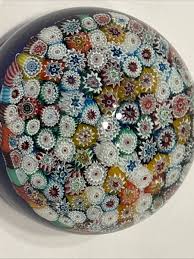
Vtg MURANO XL ~4”Dia. Blown Art Glass Millefiori P…
ebay.com · $110
Vintage Scottish Millefiori Glass Paperweight Stra…
ebay.com · $130
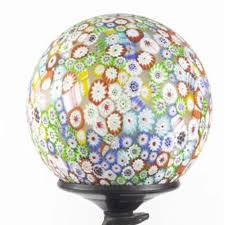
Vintage Art Deco Dancer Lamp With Patina Metal on …
chairish.com · $585
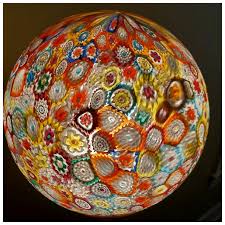
Art Nouveau Circus Acrobat Entertainer Figural Lam…
rubylane.com · $2250
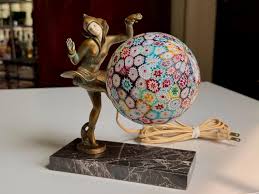
Antique Art Deco Gerdago Pixie Lamp W/ Italian Mur…
etsy.com
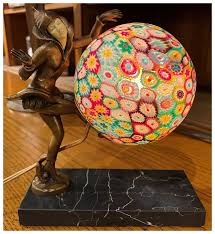
Ignacio Gallo Art Deco Table Lamp “Danseuse Des In…
rubylane.com
Have an antique to identify?
Get an instant AI appraisal with values, history, and market insights.
Download for iPhone