Glass Compote Value & Price Guide
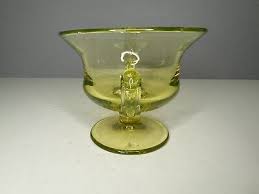
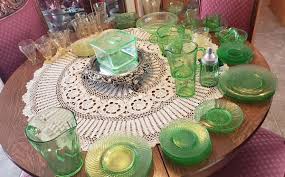
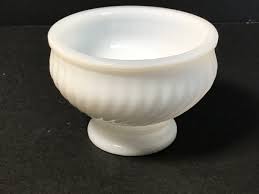
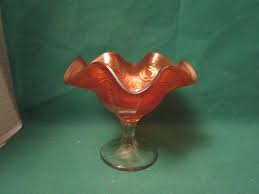
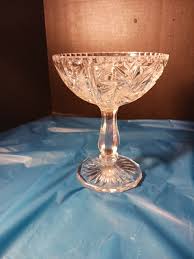
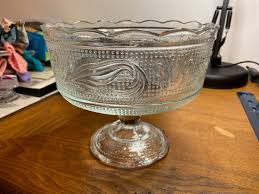
Glass compotes are elegant, stemmed dishes traditionally used for serving fruits, nuts, or candies. These decorative pieces range from intricate Victorian cut glass to colorful mid-century modern designs, making them a favorite among glassware collectors.
Price Range: $40 - $60 based on recent sales
History of Glass Compote
The glass compote reached its height of popularity during the Victorian era when formal dining etiquette demanded specialized serving vessels for every course. During this time, American Brilliant Cut Glass examples were prized for their heavy lead content and intricate hand-cut patterns that reflected candlelight beautifully. As production methods evolved, the early 20th century saw a shift toward pressed glass and colorful Depression-era styles. Companies like Fenton and Indiana Glass brought these pieces into middle-class homes, introducing popular finishes such as carnival glass and milk glass. By the mid-20th century, the compote transitioned from a functional serving piece to a primarily decorative centerpiece, reflecting the changing social customs of American households.
Value Factors for Glass Compote
The typical price range for Glass Compote is $40 - $60 based on recent sales. However, values can vary depending on the item's condition, rarity, and other factors such as:
- Rarity of color, such as pink or green Depression glass versus common clear glass.
- The presence of an original, undamaged lid.
- The reputation of the manufacturer, with brands like Steuben or Fenton commanding higher prices.
- The complexity of the glasswork, specifically hand-etched or deep-cut patterns versus molded designs.
Tips for Buying Glass Compote
- Check the rim and base for small 'flea bite' chips which are common in pressed and cut glass.
- Use a UV light to identify Vaseline glass compotes, which will glow bright green due to uranium content.
- Verify if a lid was originally included, as compotes with matching covers are significantly more valuable than open pieces.
- Look for maker's marks on the bottom, though many vintage pieces from the Depression era may be unmarked.
Items in This Collection
Have an antique to identify?
Get an instant AI appraisal with values, history, and market insights.
Download for iPhone