Green Slag Glass Value Guide
- Period
- 1880-1920
- Origin
- United States
- Materials
- Glass
- Category
- Slag glass
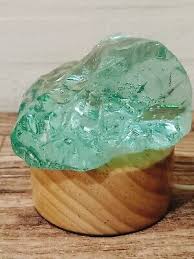
Originating in the United States between 1880 and 1920, Green Slag Glass is highly collectible for its distinctive variegated appearance and 'onyx glass' marbling. These pieces were originally crafted by mixing glass with iron smelting byproducts, resulting in unique, non-repeatable swirls that define the Victorian aesthetic.
What Is Green Slag Glass Worth?
The typical price range for Green Slag Glass is $100 - $120 based on recent sales. However, values can vary depending on the item's condition, rarity, and other factors such as:
- The complexity and vibrancy of the green-to-white marbling significantly impacts the $100-$120 price point.
- Condition is critical, as chips or cracks in the brittle slag material can drastically reduce collector interest.
- The specific form of the item, such as ornamental pieces or tableware, dictates its desirability within the antique market.
- Provenance linking the piece to late 19th-century United States manufacturers can enhance its historical value.
How to Identify Green Slag Glass?
- Look for a partially opaque white surface mixed with deep green hues to create a marbled effect.
- Examine the texture for inherent imperfections and swirls that indicate the manual mixing of slag and glass.
- Verify the weight, as authentic slag glass from the 1880-1920 era is typically heavier than modern pressed glass.
- Check for a matte or satin-like finish on the opaque sections which is characteristic of early American production.
History of Green Slag Glass
Slag glass, also known as 'onyx glass,' emerged in the mid-19th century as a byproduct of the iron smelting process. Initially, it was a waste material, but its unique variegated appearance, created by mixing glass with impurities like slag, soon made it desirable for decorative objects. Victorian manufacturers, particularly in England and later in the United States, capitalized on its distinctive swirls and marbling to produce tableware, lampshades, and ornamental items. Its appeal lies in its inherent imperfections, making each piece a unique work of art.
Shop Similar
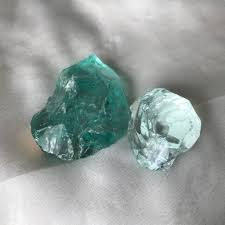
Raw Natural Deep Blue Obsidian mother nature's gla…
songofstones.com · $44
590 Grams Soft Green Monatomic Andara Crystal with…
ebay.com · $129
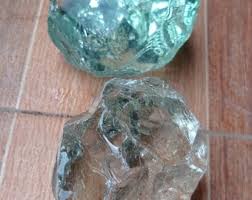
1,7 Kg Ash Green Andara Crystal Post 38 (301123) -…
etsy.com · $171
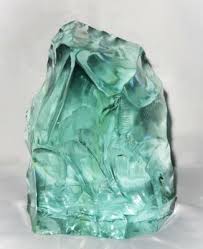
Art Glass Kosta Boda, Vicke Lindstrand, Ice Block …
ebay.com.my
3,5 KG Ethereal Mint Monatomic Andara Crystal - Et…
etsy.com
Antique West Virginia Marbles - Etsy
etsy.com
Related Items
Have an antique to identify?
Get an instant AI appraisal with values, history, and market insights.
Download for iPhone