Gyotaku Fish Print Value Guide
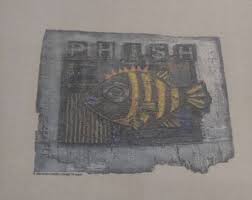
- Period
- Late 20th Century
- Origin
- Japan
- Materials
- Paper, Ink, Wood frame, Glass
- Category
- Gyotaku print
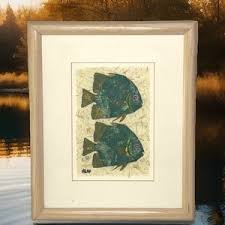
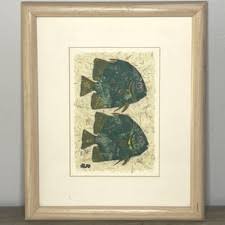
Gyotaku is a traditional Japanese art form originating in the mid-1800s as a way for fishermen to record their catches with exact precision. This late 20th-century piece exemplifies the transition from utilitarian record-keeping to a celebrated aesthetic, capturing the intricate textures of the fish using the direct printing method.
What Is Gyotaku Fish Print Worth?
The typical price range for Gyotaku Fish Print is $100 - $150 based on recent sales. However, values can vary depending on the item's condition, rarity, and other factors such as:
- The complexity and rarity of the fish species depicted significantly impacts the market price.
- Condition of the paper, specifically the absence of foxing, yellowing, or water damage within the frame.
- The quality of the artistic enhancements, such as hand-painted eyes or added color washes that elevate the print from a record to fine art.
- Provenance and the reputation of the specific artist or the region in Japan where the print originated.
How to Identify Gyotaku Fish Print?
- Look for the distinct texture of sumi ink which often shows the fine details of individual fish scales and fins.
- Examine the paper for characteristics of traditional Japanese rice paper or washi, which is typically used in authentic Gyotaku.
- Check for the presence of a red cinnabar seal (hanko) or calligraphy detailing the catch date and weight.
- Identify the 'direct method' signature where the ink is applied to the fish itself, resulting in a mirrored image of the specimen.
History of Gyotaku Fish Print
Gyotaku is a traditional Japanese method of printing fish, used by fishermen to record their catches. This art form dates back to the mid-1800s. Originally, sumi ink was applied directly to the fish, and then rice paper was carefully pressed over it to create an exact impression. These prints served as a natural and beautiful record, often including details about the fish's weight and the catch date, similar to a modern-day photograph. Over time, Gyotaku evolved from a utilitarian record-keeping practice into a celebrated art form, with artists using various papers, inks, and coloring techniques to enhance the prints.
Shop Similar
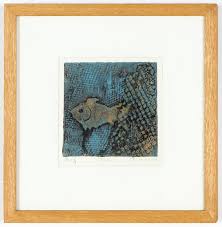
Lot - Richard Redd (1931-2017) "Fish"
auctions.materialculture.com · $50
Miró Lithographe II - Plate I by Joan Mirò at wall…
wallector.com · €300
Rare Used Phish T Shirt 1995 for Giant Mountain Bi…
etsy.com · $420
Kaiko Moti - Exotic Fishes - Etching by Kaiko Moti…
1stdibs.com · $478
Gyotaku | eBay
ebay.com
Gyotaku Fish Prints | eBay
il.ebay.com
Related Items
Have an antique to identify?
Get an instant AI appraisal with values, history, and market insights.
Download for iPhone