Hairpin Flower Frog Value Guide
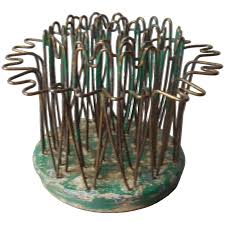
- Period
- 1930-1950
- Origin
- United States
- Materials
- Metal, Lead
- Category
- Hairpin frog
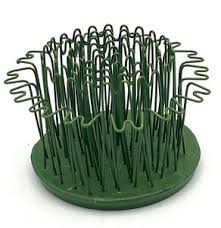
The hairpin flower frog is a mid-century staple of American floristry, evolving from the Japanese kenzan tradition to offer superior stem stability. These 1930-1950 era tools are highly collectible for their unique loop design, which allows for more intricate and secure floral arrangements than modern foam.
What Is Hairpin Flower Frog Worth?
The typical price range for Hairpin Flower Frog is $15 - $25 based on recent sales. However, values can vary depending on the item's condition, rarity, and other factors such as:
- Condition of the loops: Bent, rusted, or missing wire hairpins significantly reduce the market value.
- Size and weight: Larger, heavier frogs capable of holding substantial arrangements command higher prices toward the $25 range.
- Manufacturer branding: Pieces with clear, embossed maker's marks from well-known mid-century companies are more desirable to collectors.
- Base integrity: Ensure the lead base is not crumbling or severely corroded, as this affects both function and safety.
How to Identify Hairpin Flower Frog?
- Look for a heavy, solid lead base which provides the necessary weight to prevent tipping in water.
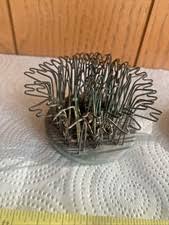
- Identify the characteristic vertical wire loops, or 'hairpins,' which should be firmly embedded into the metal base.
- Check for 'Made in USA' markings or specific brand stamps like Blue Ribbon or Dazey, common for this era.
- Examine the metal patina; authentic vintage pieces typically show a dark, aged oxidation rather than a bright, modern finish.
History of Hairpin Flower Frog
Flower frogs, also known as kenzans, originated in Japan for the art of Ikebana, or traditional Japanese flower arranging. The hairpin style, with its many individual wire loops, became popular in the early to mid-20th century, particularly in America, as a practical and aesthetic way to hold flower stems securely in place within a vase or bowl, allowing for more creative and stable floral designs. They were a staple in home decor and professional floristry before foam alternatives became widespread.
Shop Similar
Have an antique to identify?
Get an instant AI appraisal with values, history, and market insights.
Download for iPhone