Hand Carved Water Buffalo Horn Value Guide
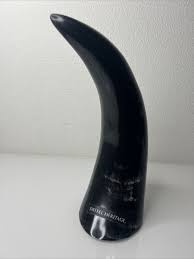
- Period
- 1960-1980
- Origin
- Indonesia
- Materials
- Water Buffalo Horn
- Category
- Water buffalo horn
These Indonesian water buffalo horns are prized for their intricate relief carvings that transform organic material into detailed narrative art. Originating from the mid-20th century export boom, they are highly collectible for their unique depictions of jungle life and traditional folklore.
What Is Hand Carved Water Buffalo Horn Worth?
The typical price range for Hand Carved Water Buffalo Horn is $150 - $165 based on recent sales. However, values can vary depending on the item's condition, rarity, and other factors such as:
- The complexity and depth of the relief carvings, particularly those featuring multiple figures or animals, significantly increase value.
- Overall condition of the horn, including the absence of cracks, chips, or drying-related splits in the material.
- The size and curvature of the horn, with larger and more dramatically arched specimens typically commanding higher prices.
- The presence of a custom wooden stand or integrated mounting hardware that enhances its display quality.
How to Identify Hand Carved Water Buffalo Horn?
- Examine the relief carvings for hand-tool marks which indicate authentic artisan craftsmanship rather than machine production.
- Verify the material by looking for the natural fibrous grain and color variations inherent to genuine water buffalo horn.
- Look for specific Indonesian motifs such as dragons, village scenes, or dense jungle foliage typical of the 1960-1980 era.
- Check the base and curvature to ensure the carving follows the natural organic shape of the horn without artificial joins.
History of Hand Carved Water Buffalo Horn
Water buffalo horns have been used for centuries in Southeast Asian and African folk art. Artisans utilize the natural curvature of the horn to create elaborate narrative carvings, often depicting scenes of jungle life, dragons, or village folklore. These pieces became popular exports in the mid-20th century as travelers sought unique, organic decorative objects.
Shop Similar
Polished Horn on Metal Base, Luxurious Interior De…
etsy.com · $43
Rare Vintage DREXEL HERITAGE Furniture Advertising…
ebay.com · $90
Buffalo Horn - Bayu – Skull Bliss
skullbliss.com · $99
Exotic Horn on Base – Shoppe Ayer
shoppeayer.com · $125
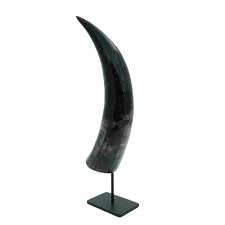
Polished Cow Horn on Base (vertical) - Etsy
etsy.com
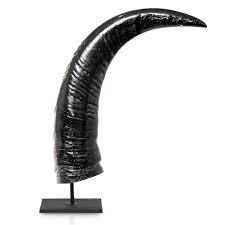
Amazon.com: Skull Bliss - Authentic Real Buffalo H…
amazon.com
Related Items
Have an antique to identify?
Get an instant AI appraisal with values, history, and market insights.
Download for iPhone