Hand-Carved Wooden Corbel Value Guide
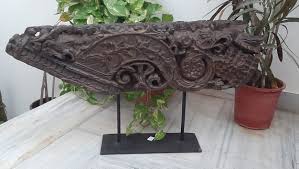
- Period
- Late 19th Century
- Origin
- India
- Materials
- Wood
- Category
- Wooden corbel
This late 19th-century Indian corbel represents a fusion of structural utility and traditional craftsmanship, showcasing the intricate wood-carving heritage of the region. Originally used as architectural supports in historic homes, these pieces are now highly sought after as rustic decorative accents that embody centuries of design history.
What Is Hand-Carved Wooden Corbel Worth?
The typical price range for Hand-Carved Wooden Corbel is $300 - $500 based on recent sales. However, values can vary depending on the item's condition, rarity, and other factors such as:
- The complexity and depth of the hand-carved decorative elements significantly impact the $300-$500 price range.
- Overall structural integrity and the absence of modern repairs or chemical stripping preserve the item's market value.
- The presence of original finishes or remnants of historical pigment can increase desirability among architectural collectors.
- Size and scale, as larger corbels suitable for substantial interior design projects often command higher prices.
How to Identify Hand-Carved Wooden Corbel?
- Look for irregular tool marks and deep gouges consistent with manual hand-carving rather than uniform machine precision.
- Examine the wood for natural aging, including a deep patina and minor stress cracks typical of late 19th-century Indian timber.
- Check for evidence of original mounting points or structural wear on the flat surfaces where the corbel met the wall or ceiling.
- Identify traditional Indian motifs or scrollwork patterns specific to the regional craftsmanship of the 1800s.
History of Hand-Carved Wooden Corbel
Corbels have been a staple in architecture for centuries, providing both structural support and aesthetic embellishment. Originally found in ancient Greek and Roman architecture, they became particularly popular in medieval and Renaissance periods, often elaborately carved to showcase craftsmanship and status. This particular piece, with its rustic charm, likely served as a decorative accent in a traditional home or building.
Shop Similar
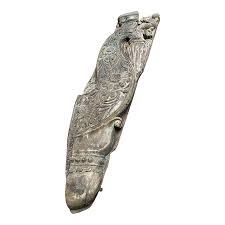
Vintage Hand Carved Corbel Whitewash Wooden Archit…
chairish.com · $330
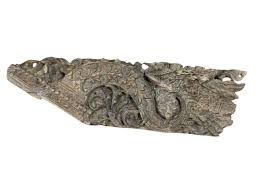
Antique Corbels Bracket Floral Hand Carved Wood Ru…
mogulinterior.com · $743
Antique Wooden Carved Panel on Iron Stand/handmade…
etsy.com · $1270

11.4" Old Chinese Amber Carved Buddhism Sleeping S…
ebay.com
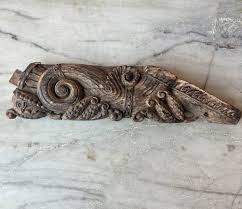
Indian Rustic 19th Century Wooden Wall Panel, Fine…
etsy.com
Outstanding Maori Wakahuia Feather Box New Zealand…
worthpoint.com
Have an antique to identify?
Get an instant AI appraisal with values, history, and market insights.
Download for iPhone