Hand-Painted Wooden Bowl Value Guide
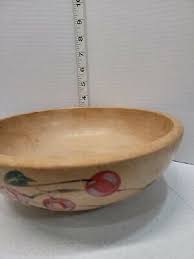
- Period
- 1940-1960
- Origin
- United States
- Materials
- Wood, paint
- Category
- Hand-painted bowl
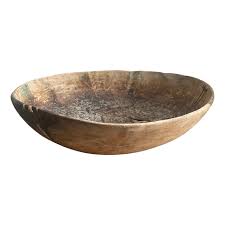
This mid-century American hand-painted wooden bowl represents a continuation of the toleware tradition, offering a rustic alternative to porcelain. Its unique combination of floral and wave motifs showcases the regional folk art styles popular in United States households between 1940 and 1960.
What Is Hand-Painted Wooden Bowl Worth?
The typical price range for Hand-Painted Wooden Bowl is $45 - $65 based on recent sales. However, values can vary depending on the item's condition, rarity, and other factors such as:
- The preservation of the delicate floral and wave paint details significantly impacts the $45-$65 price range.
- Structural integrity of the wood, specifically the absence of cracks or warping, maintains the item's market value.
- The vibrancy of the original pigment and the lack of excessive fading from sunlight or cleaning.
- Provenance or evidence of the piece being a specific example of 1940s-1960s American decorative kitchenware.
How to Identify Hand-Painted Wooden Bowl?
- Look for visible brush strokes in the floral and wave motifs, indicating hand-application rather than stenciling.
- Examine the wood for natural aging and wear consistent with mid-20th-century domestic use.
- Check the underside for potential artisan signatures or regional marks typical of American folk art pieces.
- Verify that the paint texture sits slightly above the wood surface, a hallmark of authentic hand-painted toleware.
History of Hand-Painted Wooden Bowl
Hand-painted woodenware, often referred to as toleware, became popular in America during the 18th and 19th centuries as a more accessible and affordable alternative to imported porcelain. These items, frequently crafted from common woods, were adorned with folk art designs, reflecting regional styles and personal touches of the artisans. This particular piece, with its distinct decorative elements, likely served as a functional yet artistic kitchen or dining accessory, adding charm to everyday use.
Shop Similar
MCM Munising Wooden Bowl-hand Painted - Etsy
etsy.com · $25
Vintage Wooden Handpainted Bowl With Cherries | eB…
ebay.com · $28
1950s Wooden 3 Footed Primitive Bowl With Hand Pai…
etsy.com · $29

Vintage Wooden Tole Ware Fruit Bowl, Wood Bowl, Ki…
etsy.com · $36
Vintage Painted Wooden Fruit/Salad Bowl | Mercari
mercari.com · $50

Antique Yellow Ware Pie Plate: Blue & White Band, …
etsy.com · $85
Related Items
Have an antique to identify?
Get an instant AI appraisal with values, history, and market insights.
Download for iPhone